The Most Poisonous Pests in Michigan

Northern Black Widow close-up

Animal poison tends to be as provocative as it is scary. Somebody asks us about poison almost every single day. Usually by asking “is that thing poisonous?!” The answer is almost always “no…” almost always. There are several poisonous animals and pests in Michigan. Some of them are even highly poisonous.

We think one of the reasons why animal venom is so feared is because it’s not very understood. Pest venom isn’t a human killing superweapon. In fact, it’s usually not even really meant for use on humans. Instead, poison is a natural part of some animal adaptations. They use it to hunt, defend themselves, and scare away predators. Here are some examples of the most poisonous pests in Michigan, along with what their poison is specifically. Hopefully, understanding poison a little better will help make it a lot less scary.
Black Widows in Michigan

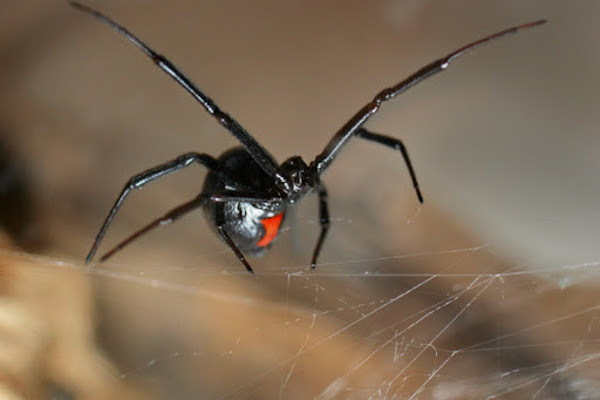
The Northern black widow (Latrodectus variolus) is the only venomous spider native to Michigan (Brown recluse spiders are not native). Like other black widows, it’s also one of the most venomous spiders in the country. Widow venom is fifteen times more toxic than rattlesnake venom, though spiders deliver far less in a given bite. In terms of pure potency, widows are probably the most venomous animal in Michigan.

All Widows possess venom called latrotoxin. Latrotoxins act on presynaptic nerve membranes and can trigger an illness called “latrodectism.” Latrodectism triggers a release of the neurotransmitters acetylcholine, norepinephrine, and GABA. Releasing these neurotransmitters triggers pain, followed by muscle cramps, sweating, nausea, and possible vomiting. Severity and length of symptoms depends on the bite location and how much venom the spider transmitted. Northern black widow bites are very rare. Even when they do occur, the spiders rarely administer venom to humans.
paper wasps

Paper Wasps in Michigan

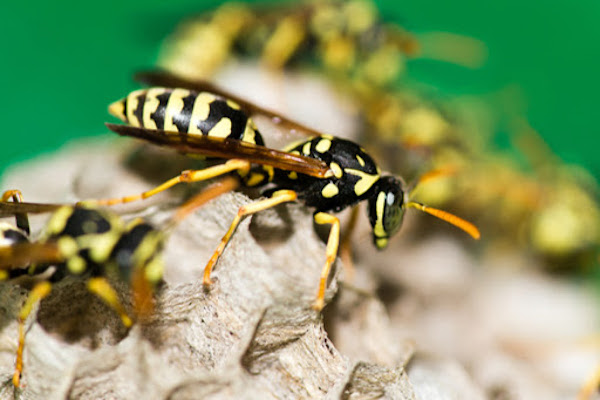
People tend not to think of wasps as “poisonous,” but their venom is why stings hurt! The most venomous wasp in Michigan is also our most common: the European paper wasp (Polistes dominula). As the name implies, the European paper wasp isn’t native to Michigan. Paper wasps first came to America in 1981 and spread quickly by hijacked native wasp’s nests for themselves. Today, paper wasps have established themselves as an invasive species in Michigan. It’s may not be native, but it’s here to stay.

Paper wasp venom is painful because it targets the nervous system on a cellular level. Enzymes and proteins in the venom break down cell membranes when introduced into the bloodstream. When neuron cells break down, they send a signal that they’re damaged–pain–to the brain. Wasp stings also deliver norepinephrine, which stops blood flow to prevent the venom’s potency from deluding in the bloodstream. Finally, they introduce hyaluronidase and MCDP to spread venom further around the site of the sting.

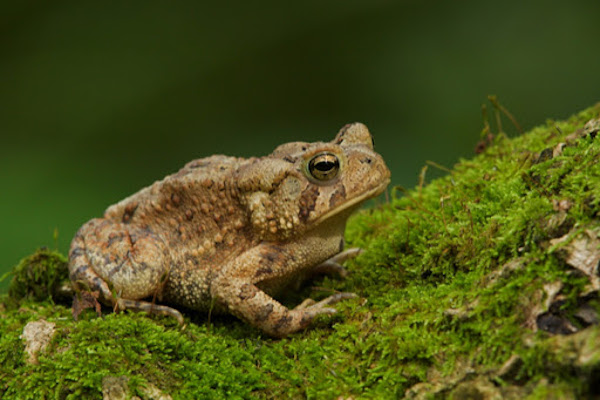
Eastern American Toads

Eastern American and Fowler’s Toads

Believe it or not, Eastern American (A. a. americanus) and Fowler’s (Anaxyrus fowleri) toads are among the most poisonous animals in Michigan. Toad venom is primarily defensive in nature. These toads possess venom-producing “Parotoid Glands” right behind their heads. These glands secrete a chemical steroidal venom called Bufotoxin onto the toad’s body as a predation deterrent. Bufotoxin looks like a milky white liquid film that coats the toad’s skin. If toads look wet, they might be secreting their toxin!

Bufotoxin is more deadly to small predators than it is to people. When ingested, Bufotoxins can trigger serious cardiac, neurological, and gastrointestinal problems. Eventually, Bufotoxin can even target the central nervous system and cause heart attacks or seizure. When merely handled, however, Bufotoxin usually only causes a mild skin rash or allergic reaction. Bufotoxin may also irritate eyes and mucous membranes on contact. Don’t let your pets chase, kill, or eat the little toads in your yard!  
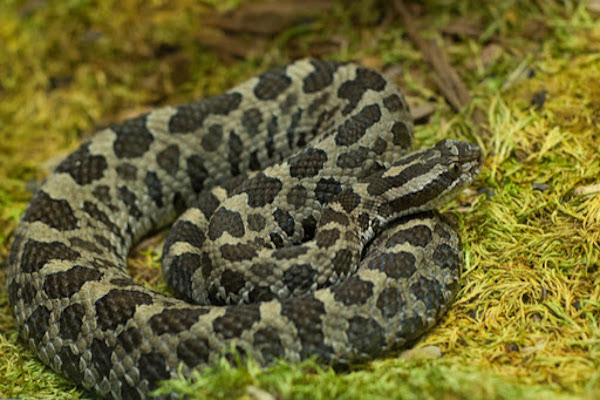
eastern massasauga snake

Eastern Massasauga Rattle Snake

The Eastern massasauga rattlesnake (Sistrurus catenatus) is the only venomous snake in Michigan. Massasauga are capable of injecting a highly toxic venom through their bites. In fact, massasauga venom is considered more potent than most other rattlesnake venom. Like black widow spiders, however, massasaugas generally inject less venom during a bite than most snakes. Venom is a valuable resource for rattlesnakes, and its resource-intensive to reproduce. Consequently, most massasauga bites are “dry bites,” which contain no venom.

Eastern massasauga venom contains a specialized digestive enzyme. When this enzyme enters the bloodstream, it disrupts blood flow and prevents blood clotting. When venom is injected into the smaller prey massasauga feed on, it causes fatal internal bleeding. It can also incapacitate prey and destroy tissue. Massasauga venom is not fatal to humans, but it can be extremely harmful. Fortunately, massasauga bites are rare. Massasaugas are highly cautious, even shy or docile snakes. They would avoid rather avoid or run from a conflict than lash out.


As you can see, venomous pests use their venom for hunting small prey and defending themselves. None of Michigan’s pests are going to go out of their way to poison you; just the opposite, in fact. As always, it doesn’t hurt to be aware of venomous pests, but you shouldn’t have to fear them.

Of course, that’s easier said than done… especially if poisonous pests are around your home. If you’re worried you have a potentially-precarious pest predicament, give Griffin a call right away. We have everything we need to keep you safe from Michigan’s most poisonous pests.

The 4 Worst Pest Infestations You Can Have

Cluster of wasps gathered on a wasp nest - Keep wasps away from your home with Griffin Pest Solutions

All pest infestations are bad. If you have pests, you should get rid of them as quickly and thoroughly as possible. Period. Just because all pest infestations are bad, however, does not mean all pest infestations are equally bad. There are some pests that are inconvenient, while there are others that are… far, far worse. Maybe not “pack your bags and move away” worse, but… close…

These are four of those kinds of infestation. We’re not talking most damaging or most immediately destructive, though there’s some overlap. We’re simply talking about the pests you least want in your home. These are the pests that will keep you up at night–sometimes literally! Give Griffin a call right away if you think you have…

Termites

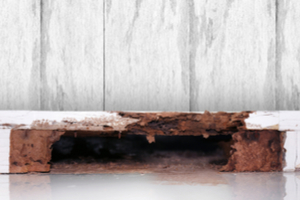
termites inflict billions of dollars of damage in structural damage in the US every yearThere’s one, very clear reason why you never want termites: they’re the most destructive wood pest in the US. Termite colonies eat and bore through wood, creating cavities that compromise wood’s structural integrity. Every year, termites cause billions of dollars of structural damage. Sometimes, termites can inflict wood damage so significant that it can seriously compromise a home’s safety. Unfortunately, termite infestations are common all over Michigan’s lower peninsula, even in cities.
Termites infest homes by working their way into wood from the outside in. They’ll start by accessing moist, damaged, or low-lying wood. As the colony expands, they’ll chew their way deeper into a home’s structure, damaging it as they go. Termites often access wood by building “mud tubes” between wood and the ground. Look for these mud tubes to find where termites may have accessed your home. Deprive termites easy access to wood as much as possible. Termite-proofing your home will always pay off in the long run!

Wasps

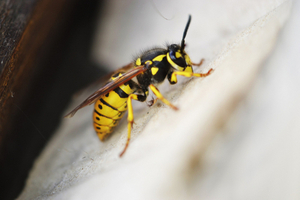
Wasps are dangerous and frustrating when they build wasp nests near people's homesNo common neighborhood pest inspires terror quite like the wasp. It’s not difficult to understand why. Virtually everyone has a wasp sting horror story. The insects are notoriously territorial, aggressive, and unafraid to sting. Wasps are at their most frustrating and dangerous when they build nests near homes. When a wasp nest is right outside your door, it’s all-too-easy to seem threatening to its defenders. Wasps are especially prone to attack people during and after breeding season.
Wasps choose where they build their nests for several reasons. First, they look for places where their nest will be safe from threats. They often build into existing shelters or cover, such as eaves, gutters, house corners, or chimneys. Wasps build nests out of wood fiber, which they collect from damaged wood. If there’s easily accessible weathered wood near your home, wasps could use it to build their nests. Finally, wasps like living near other insects, so they always have a good source of food.


Pantry pests

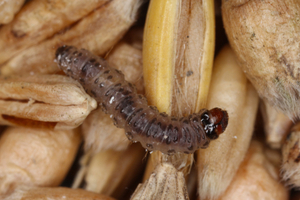
pantry moths lay eggs that hatch into larvae inside pantry food like pasta and cerealThere are several kinds of pest that love to infest pantries. The worst thing about these pests is that, contrary to popular belief, they’re not just eating your food. They’re often also laying eggs in it. Yeah, that’s no good. Moths, beetles, and weevils all lay eggs directly inside stored food products. These offspring are often the pests doing most of the actual eating. In fact, most adult pantry moths can’t eat at all!
Pantry pests are attracted to easily accessible food, especially when it’s stored in dark, quiet places. They infest a wide variety of dry products, including bread, cereals, pasta, flour, nuts, dry fruits, and more. Basically, if you keep it in your pantry, they want it. Some pantry pests make their way into your home from outside, but more often, you’ll accidentally bring them in yourself! Pantry pests hide in or latch onto other food containers. When you place those containers in your pantry, you inadvertently give pests access to all your other food.

Bed bugs

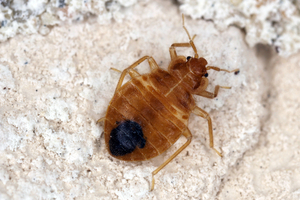
few pests are as upsetting as bed bugsSure, bed bugs aren’t as damaging or dangerous as any of the other pests on this list. But what if you had to choose one of these four infestations? We’re betting you’d choose any of the aforementioned pests before you subjected yourself to bed bugs. We don’t blame you! Bed bugs are probably the most upsetting common pest infestation in the US. And they are common, too–even here in Michigan.

Like with pantry pests, most bed bug infestations begin when a homeowner inadvertently brings them inside themselves. Bed bugs infiltrate homes by sneaking in on packages and bags. They hide out in dark, inaccessible areas and wait until night to move. Once they’ve found a more permanent hiding place near a food source (that’s you!), they start reproducing. There are all kinds of ways to keep bed bugs out, but they all come down to diligence. Keep a close eye on what you’re bringing indoors, especially if you’ve been traveling.


Probably the worst thing about pest infestations is what they can do to you. No one wants to feel like they’re uncomfortable or unhappy in their own home. Pest infestations never go away on their own and they never stop being annoying. If you’ve got a pest problem, it’s always worth it to seek help fast.

Luckily, you’ve got help right here. Griffin Pest Solutions is always ready to help you reclaim your home. No matter the severity of your infestation, we have everything it takes to wipe it out completely. Don’t let pests take your home from you; call today!

Michigan’s Most Common Summer Pests

Mosquito swarm

By now, you don’t need us to tell you which pests are the most active this summer. In fact, you probably never want to think about these four pests ever again. For these four particularly prevalent pests, the heat and humidity of Michigan’s summer is paradise. They’ve been growing, breeding, spreading… and probably bothering you like there’s no tomorrow.

No matter how bad the bugs, however, you don’t have to suffer them without recourse. Even at their most populous, there’s always a reason why pests choose a particular place to infest. If you can make sure you don’t provide them with what they want, they’ll leave you alone. Here’s everything you need to know to keep your least favorite nuisances away from you this summer.

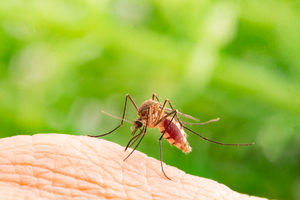
Mosquitoes

mosquitoes in summerMosquitoes are so prevalent in summer for a couple reasons. First, they either hatch in spring or start reproducing. Either way, it means a lot of mature mosquitoes come early summer. Hot weather also allows mosquitoes to grow through their life cycles faster. They hatch faster, grow faster, and reproduce faster. The hotter and more humid the environment, the more mosquitoes breed. The more mosquitoes breed, the more mosquitoes hunt for blood and bother you.

Mosquitoes need moisture to stay active, breed, and lay eggs. They prefer to live and hunt near sources of standing, stagnant water. You’d be surprised just how many sources of stagnant water mosquitoes can find and use. Any kind of ditch, basin, or bucket can collect water, and mosquitoes only need the tiniest amount. Look for and remove sources of water mosquitoes could use to reproduce or lay eggs, outside and inside. You’ll be surprised what a difference it makes!

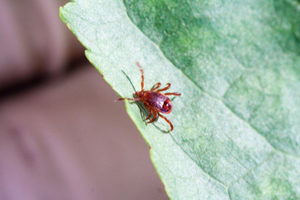
Ticks

ticks in summerSeveral different factors conspired in 2018 to give us the worst tick season in years. Weather from La Niña produced a milder winter and an earlier spring. The mild weather allowed ticks to emerge and lay eggs much sooner than usual. In addition, the white-footed mouse population grew substantially last year. Small rodents like the white-footed mouse are a great food source for ticks. Between the weather and food availability, 2018 is a perfect storm for tick activity.

Ticks hunt by climbing shrubs and grasses. From their perches, the ticks simply wait for their prey to walk by and then grab onto it. The fewer places they have to hunt, the harder it will be for ticks to infest your property. Keep grass, shrubs, and bushes trimmed short during tick season. Take care to wear bug spray, long pants, and long sleeves when you’re in an area where ticks might live. Always check yourself for ticks after spending time outside. Tick-borne diseases are on the rise this year, so keeping yourself safe from ticks is more important than ever.

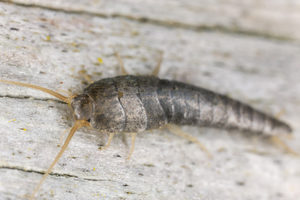
Silverfish

silverfish in summerUnlike the other pests on this list, silverfish aren’t more prevalent during summer because of their natural lifecycle. Silverfish live for two to three years or more and produce more 50 offspring each. They can remain active and reproduce as long as they have access to warmth, darkness, and humidity. They seem more active in summer because heat and humidity let them move around more and stay out longer.

Silverfish are nocturnal and live in dark, humid, and secluded places. Indoors, you’re most likely to find them in places like your basement, attic, closets, or crawl spaces. Often, you’ll find them under furniture, boxes, bags, and other stored materials. They’ll generally stay close to food sources, such as flour, cereal, fabric, paper, clothing, paste, glue, or paper. Controlling your home’s humidity is the best way to keep silverfish out. Find and correct moisture problems like leaking pipes, especially in at-risk areas like your basement. Reducing the number of hiding places silverfish could access and depriving them of food will also help.

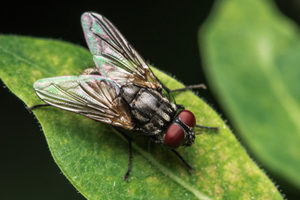
House flies

house flies in summerHouse flies become especially prevalent in summer because they begin reproducing in late spring. Mother house flies deposit up to 150 eggs on an appropriate food source, such as garbage. During the heat of summer, these eggs hatch very quickly–sometimes only hours after they’re laid! House flies grow faster in hot weather during every other stage of their development, as well. In summer, house flies can complete their entire four-stage life cycle in as few as 7 to 10 days.

If you seem to have a house fly problem, it’s probably because they are laying eggs in your home. House flies lay eggs on food sources, which is usually garbage. House flies can only eat liquids, but they can liquefy various food items such as sugars and starches. Keep all your garbage in sealed plastic bags. Rinse out any liquid containers before you throw them out. Take garbage out to your outdoor dumpster frequently, and make sure it doesn’t spill.


Hopefully, these tips prove that no summer infestation is too intense to beat. Know your enemy and follow these strategies, and you can enjoy a pest-free summer. That pest-free summer can be this summer. Don’t give up!

If you need a little help driving out your pests once and for all, give Griffin a call any time. We’ve dealt with these all-too-common pests for plenty of summers before, and we’re happy to deal with them again.

Boxelder Bugs in Spring

Boxelder bugs in spring

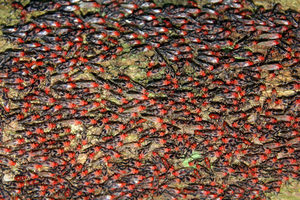
When is it not boxelder season? It seems like these gross red-and-black bugs are everywhere, all the time. Around this time of year, however, you may notice they’re around even more than usual. Boxelders wake up and start moving around starting in early spring. Unfortunately, they often wake up and start moving around in your home.

But why are boxelders around your home so much this spring? Where are they coming from? What do they want? Most importantly, how can you get them to go away? Here’s everything you need to know about boxelder bugs in spring.

What they are

What boxelders bugs areEven if you don’t know boxelder bugs by name, you almost certainly know them by sight. These bugs are extremely common in the fall and spring, when they swarm around windows, porches, and door frames. Boxelder bugs are a type of “true bug” in the Hemiptera order, similar to stink bugs. Like stink bugs, they can also release a foul-smelling scent if threatened or crushed. Despite these similarities, however, boxelder bugs are not considered stink bugs.

Boxelder bugs have .5 inch long black bodies with distinctive bright red or orange ‘X’-shaped markings on their backs. They tend to congregate on warm, heat-reflecting surfaces such as windows or porches in large groups. Boxelder bugs feed almost exclusively on the flowers, leaves, and seeds of boxelder trees. These bugs enter reproductive season in mid-spring or early summer, shortly after re-emerging from winter hiding places. Homes with southern or western exposure might be particularly attractive to boxelder bugs.

Why they’re back

why boxelders return in springLike stink bugs, boxelder bugs never really leave Michigan. Instead, they overwinter in hidden, secluded places where they can survive the cold. Boxelders survive winter temperatures by bunching together and squeezing into tight nooks and crannies. They seek out warm, dark places where they can remain unnoticed and dormant for months at a time. Unlike stink bugs, they don’t fully enter diapause. During warm enough winter days, boxelders may temporarily re-emerge.

Boxelder bugs re-emerge from their winter hiding places as soon as they can survive outdoor temperatures. In other words, the boxelders you find in your home in spring were probably there all winter. Boxelders are very temperature-sensitive and crave warmth, so they’re commonly found around sunny windows and reflective surfaces. The bugs congregate in large swarms in order to keep one another warm and exchange information via pheromones. These swarms may sometimes get trapped or lost inside homes as they try to find their way out.  

What they want

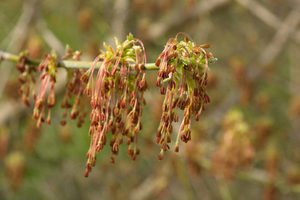
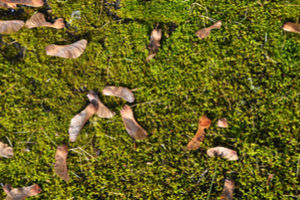
what boxelder bugs wantWhen boxelder bugs re-emerge from the overwintering sites, their top priority is food. Remaining inactive for long periods is very taxing to boxelder bugs, so they need to recharge quickly. During this period, adult boxelders are usually encountered on the ground, where they eat low vegetation and fallen seeds. Boxelders seek out female acer trees for their plentiful fallen seeds and flowers. Boxelders don’t begin mating until they’ve acquired enough energy from feeding, which can take weeks.
Once boxelder bugs find their way outside and acquire sufficient energy, they usually move to a nearby acer tree outside. From there, they lay eggs, eat, and prepare to begin the whole cycle again. Like stink bugs, boxelder bugs do not eat, mate, or reproduce indoors. They only enter buildings in order to stay warm, and they’re only interested in leaving come spring. Boxelders aren’t dangerous, but their stench and sheer number can make them a serious nuisance.

What you can do

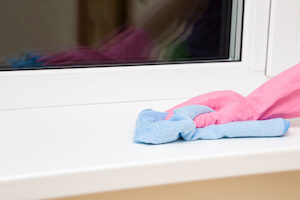
what you can do to prevent boxelder bugsThe most important thing to remember about boxelders control is that when they die, their bodies attract other pests. Don’t kill the boxelders you encounter in your home, especially if they’re in your walls. Instead, vacuum or sweep up the boxelders you encounter and dispose of them outdoors. You could also use soapy water to kill the boxelders, as long as you remove the bodies after they die. Scrub down any areas where boxelders congregated with soapy water, too.
After you’ve cleared out the existing boxelders, you have some time to make sure they don’t come back. Boxelders won’t try getting back into your home until early fall, when they need to overwinter again. Before this happens, try to find and seal off the ways they get in. Boxelders usually find cracks and crevices near window sills, door frames, and baseboards. Use caulk to re-seal these openings, and you should be able to keep boxelders from getting in next season.


Don’t beat yourself up for having boxelders in your home this spring. Those little pests are as tricky and resourceful as they are smelly. There’s a reason there are so many of them.

If you need a little help beating back your black-and-red nemesis, don’t hesitate to give Griffin a call today. We can drive the bugs out, seal up your home, and make sure you get back to enjoying your spring.

Snow Fleas: the Bugs in the Snow

Bugs in the Snow

Winter is a… divisive season. Chances are you either love it or hate it. Ok, chances are you either hate it or make up reasons to tolerate it (“It helps me appreciate the seasons,” etc.). Even if you’re firmly in camp “hate it”, however, you have to admit winter has its charms. Chief among these charms: you don’t have to worry about bugs! Or… *Pause for dramatic effect*… do you?

Imagine: You’re out walking your dog when you notice a cluster of weird black specs in the snow. You haven’t seen many horror movies, so you bend down to see what they are. Then they start jumping around! Yep, those things you just encountered are called “snow fleas”. Here’s everything you should know about them. It might not make you feel better, but at least you’ll be able to curse winter more accurately.

What Are They?

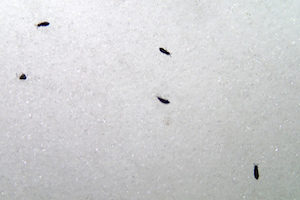
What are snow fleas?The so-called “snow flea” isn’t actually a flea at all. They’re actually several species of arthropod springtails in the Collembola order. The most commonly encountered snow flea around here is probably Hypogastruna nivicola. There are about 700 species of springtails in North America, and they all share certain key characteristics.
Snow fleas are tiny and very skinny. The ones you encountered were probably only 1 to 2 millimeters long! They’re probably black, dark blue, or dark grey, though they can also be a yellow color. They can’t fly, but they can rapidly leap 3-4 inches using a spring-like body part called a “furcula”. The most upsetting thing about snow fleas is probably how abundant they can be. During winter and early spring, you might spot literally thousands of the tiny arthropods congregating on snow.

How Are They Alive?

Snow fleas are capable of synthesizing an antifreeze-like protein that keeps their bodies from freezing. They automatically begin producing this protein when temperatures dip beneath a certain threshold.

When temperatures warm up, the protein easily breaks down, allowing snow fleas to survive comfortably in all seasons. Other species can produce antifreeze-like substances, but only snow fleas produce one that breaks down easily in warmth. This antifreeze, combined with their easily-satisfied diet, makes it possible for snow fleas to survive winter without much effort. In fact, snow fleas have been called one of the hardiest animals ever!

What Do They Want?

What do snow fleas want?Despite their unusual habits and habitats, snow fleas want what pretty much all pests want. When they come out on warm winter days, they’re looking for food, water, and a chance to mate. Springtails provide an important service to their ecosystems by feeding on microscopic bacteria, algae, and fungi.
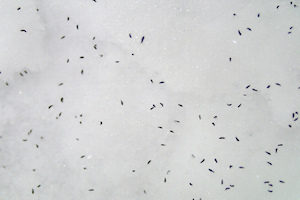
Along with food, snow fleas are attracted to moisture. The tiny arthropod is very sensitive to drying out, and requires a consistent source of moisture to survive. Springtails use a tube-like organ called a “collophore” to suck up water from the wet surfaces they crawl over. They may seek out melting snow on warm days to take in moisture. Finally, snow flea mating season is in early spring. When large numbers of snow flea congregate together, it’s usually to produce offspring.

Are They Dangerous?

Not at all. Snow fleas can’t bite or sting, nor can they damage plants, food products, property, or clothing. In fact, springtails like snow flies are some of the many garden arthropods that are considered beneficial.

By feeding on decaying organic matter and the bacteria it produces, snow fleas help garden plants grow in spring. An abundance of snow fleas in your yard can be considered a sign of healthy soil.

What Can I Do About Them?

What can I do about snow fleas?We’re lucky snow fleas are harmless, because there’s not really a good way to control them even if we wanted to. The springtail will never come indoors, so you don’t have to worry about infestations. They’re attracted to moisture and decaying plant life, both of which are difficult to prevent in winter and spring.
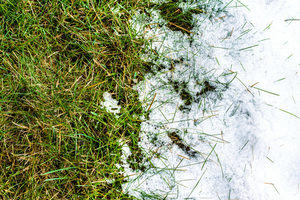
Even if you shoveled up all the snow in your yard, wet grass and dead plants would bring snow fleas calling anyway. In fact, springtail species are quite abundant all year. Snow fleas become more noticeable in winter because they come out of cover and stand out against snow. When all the snow melts as spring arrives, you’ll stop seeing snow fleas as frequently. Until then, don’t worry about them–they’re kind of cute anyway. Uh… right?

If you had to choose a bug to deal with in winter, you could do a lot worse than snow fleas. The diminutive arthropods are totally harmless, non-invasive, and content to stay away from you. At worst, all they’ll do is ruin your view of endless expanses of snow. And we don’t know about you, but we’re tired of looking at that anyway.

Even though pests largely take some time off every winter, that doesn’t mean your pest control should. There’s still plenty good year-round pest control can do for you this season. Remember: prevention is always more effective than treatment. If you need some pest prevention (or treatment!) this winter, give Griffin a call anytime. We’re always happy to brave the cold for you.

What Are The Most Dangerous Pests in Michigan?

The most dangerous pests in Michigan

Unfortunately, Michigan is home to several pests that can be quite dangerous. Some, like the black widow spider, are dangerous because of their venom. Others, like the Blacklegged tick, are dangerous because of diseases they can transmit. No matter why these pests are dangerous, however, you’ll want to keep away from them.

Ironically, the best way to keep away from dangerous pests in Michigan is to learn a thing or two about them. If you can reliably identify Michigan’s biggest baddies, you can take important steps to stay safe from them. Here’s what you should know about Michigan’s four most dangerous pests:

black widow spider

Black Widow

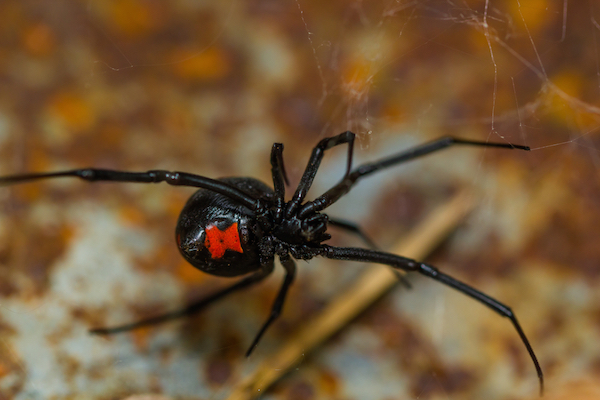
The Northern black widow spider’s habitat ranges throughout the eastern and central US. Michigan’s trees and prey make it the ideal environment for the poisonous spider to thrive in. Northern black widows are inch-and-a-half long, black spiders with a red “hour glass” marking on the back of their abdomens. The spider is common around Michigan’s lower peninsula, especially in the Southwest.  

While it’s true that they are common in Michigan, widow bites are quite rare. Black widows are timid and only bite if their web is threatened. Widows build their webs anywhere they can catch prey. They’re most commonly found in dark, damp locations like old stumps, hollow logs, fence posts, sheds, crawlspaces, basements, and woodpiles. Symptoms of black widow bites appear after 30 to 60 minutes and include muscle spasms, chills, nausea, fever, sweating, aches and pain, and headaches. If you’re bitten by a black widow, seek medical help immediately.

brown recluse spider

Brown Recluse Spider

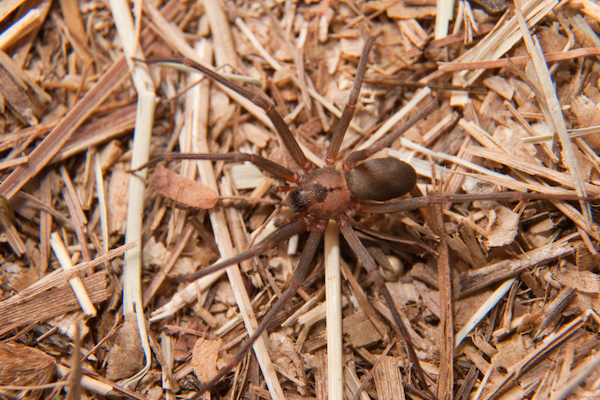
The brown recluse is a poisonous spider native to the Southeast US. Experts traditionally believed that Michigan winters keep brown recluses out. However, from 2011 to 2017, six populations of brown recluse spiders have been identified in Michigan. The most recent population in Davison, Genesee County, lived in an unheated, detached garage. The fact that they lived through the winter in an unheated environment may imply that they can establish themselves in Michigan permanently.   

Recluses are around 6 to 20 millimeters long and tan or dark brown. They have a dark, violin-shaped mark on their thorax, or the back upper torso. Brown recluses seek out warmth and dampness and are usually found in rotting wood or cardboard. Brown recluse bites can rarely cause potentially life-threatening necrosis, or flesh death. If you think you’ve spotted or been bitten by a brown recluse, let the experts know right away.

Blacklegged Tick

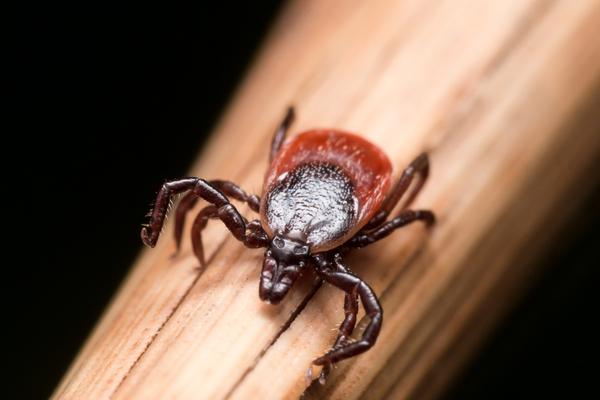
The Ixodes scapularis, aka the “blacklegged” or “deer” tick, is one of three hard ticks commonly found in Michigan. Blacklegged ticks are most common in Western Michigan, but you could find them in any grassy area. Blacklegged ticks are small brown ticks with distinctive black legs (hence their common name). Like all ticks, Blacklegged ticks hunt or “quest” by perching on plant life and clinging to passing prey. This tick species primarily feed on humans during summer months.

Blacklegged ticks are the primary transmitters of Lyme disease in the North-central US. Blacklegged ticks pick up the disease-causing Borrelia burgdorferi bacteria when they feed on deer. Then, when they feed on a human, they transmit the bacteria into that human’s bloodstream. Lyme disease causes fevers, headaches, fatigue, and an expanding rash called Erythema migrans. Avoid tick bites by applying repellent when walking outside and staying out of grassy areas. Remove any ticks that attach themselves to you right away.

Mosquitoes

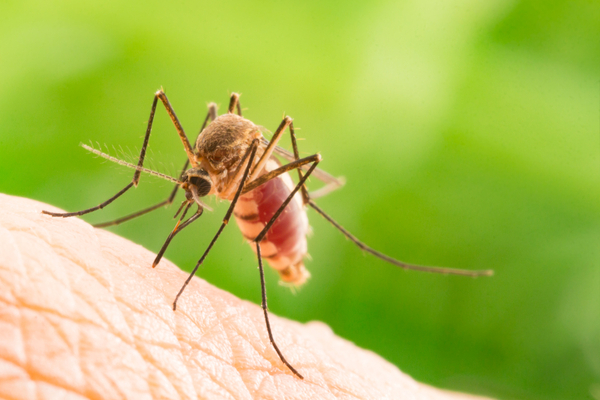
You know what mosquitoes are. Everyone knows what mosquitoes are, especially here in Michigan. Yes, of course they’re annoying… but are they really dangerous? Unfortunately, mosquitoes are dangerous because they carry and transmit various diseases. Worldwide, mosquitoes are among the most important and deadly disease transmitters. In Michigan, some species of mosquito may spread the West Nile virus. Mosquitoes pick up the disease when they feed on birds. They spread it via blood contact when they feed on humans.

80% of people afflicted with the West Nile virus never show any symptoms. For about 19% of people, West Nile triggers fevers, headaches, vomiting, and a rash. In less than 1% of cases, West Nile also triggers encephalitis or meningitis. Both of these inflammatory disorders are very serious and could have permanent or fatal effects. The best way to avoid West Nile virus is to avoid mosquito stings. Always wear repellent when walking outside and avoid mosquito breeding environments.


Hopefully we haven’t made you afraid to live in your own state! While it’s true that we’ve got some dangerous pests up here, they’re all more afraid of you than you are of them. By learning to identify pests like these and staying out of their way, you shouldn’t have anything to worry about.

And, of course, if you do end up confronting dangerous pests in your home, you can give us a call anytime. Michigan’s big bads have nothing on us!