Fall Lawn Care to Help Keep Pests Away

How raking keeps pests away

If you’ve been following us, you already know fall is the most active season for pests. Unfortunately, we’re not just talking about indoor pests, either. All kinds of pests become particularly active as winter approaches–including the yard destroyers. A lot of people tend to scale back their yard maintenance as summer ends. Unfortunately, this can have disastrous consequences–and ones that last longer than a season.

Luckily, just like all pest problems, these consequences are preventable. Here are the top four simple lawn maintenance routines you should keep up this fall. If you’ve already stopped doing these things, don’t panic! Just get back on them before winter’s first frost, and you’ll go a long way toward preventing pest infestations.

Keep mowing

For whatever reason, many homeowners think they should stop mowing their lawns once summer’s over. Some stop mowing almost completely as early as September! Grass doesn’t stop growing as early as we tend to think it does. In fact, most yards keep on keeping on until frost. Your yard isn’t the only thing “keeping on,” either. All the pests that love long grass are hanging in there, too. If anything, they’re more active than ever.

Bugs like the Japanese beetle, European chafer, and Chinch bug all feed on long grasses. Japanese beetles also deposit their larvae, so it can feed on overgrown root systems. If you don’t stop pests like this, they’ll return to trouble you next spring and beyond. Grass does grow less quickly in fall, so you won’t have to mow as often. When you mow, make sure you set your mower to the appropriate length. Mowing too low could create its own problems.
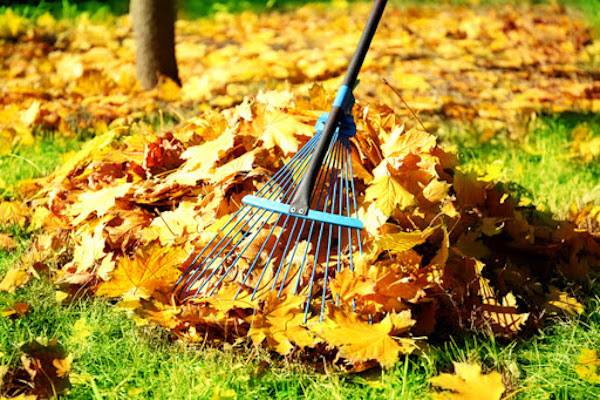
rake up and remove leaves

Rake up (and remove!) leaves

Fallen leaves are a pest paradise. All kinds of pests feed on them, and they’re usually a great source of moisture, too. If you let leaves blow across your yard, pests could follow them all the way to your home. They also serve as cover for autumn infiltrators like roaches, boxelders, and even rodents. Beetles, spiders, and even termites–as in, wood-eating termites–are attracted to leaves. Whether they’re wet or soggy, leaves draw in pests from all over.

It’s not enough to simply gather leaves into a pile, either. In fact, if anything piles of leaves just allow pests to congregate in larger numbers. Laying out leaves in bags around the side of the house won’t cut it, either. When stink bugs or boxelders congregate in leaf piles, they give off a pheromone that attracts other bugs nearby. After gathering up leaves, put them in a plastic bag and take it to your local compost. Raking regularly will significantly help keep bugs at bay.

Declutter

Obviously, falling leaves aren’t the only clutter fall tends to bring down on your yard. As trees go dormant and winds pick up, all kinds of natural debris tends to swirl around. Chances are, a lot of it ends up in your yard. It gets stuck to fences, crumples up under decks, or gets hung up on ornamental plants and ornaments. Twigs, seeds, nuts, berries, fruit, bark, and garbage all have a way of… just collecting in your yard in fall.

However it got there and whatever it is, you should remove it from your yard. The more cluttered and messy your yard, the more inviting it is to pests. Rodents, beetles, stink bugs, and all kinds of other fall “favorites” love sneaking around under cover. The problem is, all those pests rarely stay outside. Once things cool down, they’ll be looking for somewhere warm. Somewhere like your home, conveniently located right there. You don’t want that, so you should keep your yard as clean as you can.
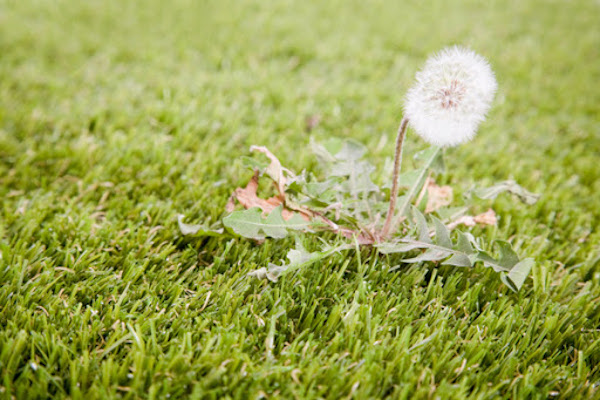
Keep weeding

Keep weeding

Yeah, we know this one isn’t fair. Remember how we said grass doesn’t stop growing just because it’s fall? Well, weeds really don’t stop growing in fall. It’s like they were looking for one last chance to make trouble for you. Weeding is arguably more important in fall than ever, because your yard is vulnerable. If you don’t pull out weeds now, they could do some serious damage before frost. Then there’s the pest problem. Always, the pest problem.

Different kinds of weeds attract all kinds of different pests. Everything, from flies to beetles to termites (again, ugh) are attracted to weeds as a food or moisture source. Even bees and wasps may be particularly attracted to pollen-producing weeds as a last-minute snack. You should keep weeding as long as you keep mowing: right up until frost. You’ll help preserve your lawn’s health and fend off pests at the same time.

Yeah, we know this sounds like a lot of work. And we know it’s probably not how you pictured spending your fall. Look at it this way: you worked hard taking care of your yard all summer. You shouldn’t let all that hard work go to waste in a couple short weeks. If you care for your yard now, it won’t just prevent pests this fall–it’ll save winter and spring, too.

If any of those outdoor pests decide to invite themselves inside, give Griffin a call anytime. Our experts will wipe out indoor pests and make sure you have a safe and secure winter and spring.

The Pests in Your Basement this Fall

Seal openings in your home to keep pests out.

Fall is prime pest season. All kinds of pests know winter is coming, and they’re scrambling to sneak into a warm place. Basements are a pest’s favorite hiding place. They’re dark, damp, temperature-controlled, and secluded. You’ll deal with more pests in fall than you do during other seasons. You’ll find more pests in your basement than you will in the rest of your home. You… probably see where this is going.

It’s unavoidable: all kinds of pests are going to try to get into your basement this fall. They’ll sneak, squeeze, and scramble in from any tiny opening they get as if their lives depend on it. Just because you can’t stop them from trying doesn’t mean you have to let them succeed, however. If you take action now, even the most audacious autumn pests won’t be able to bug you this fall. Here’s what you’re up against, and how to come out on top.

Silverfish

Silverfish are small, wingless insects with silver-grey, segmented bodies and bristled tails. They require highly humid environments to survive, so they’re a common basement-dweller all year long. During fall, they’re particularly attracted to your basement as a source of warmth. Silverfish prefer environments that are 70 to 80℉. They feed on starchy materials like wood, paper, glue, and linen. The silverfish in your basement probably huddle beneath a food source in a particularly damp, warm area.

If silverfish can’t access moisture, they’ll dry out and die. Try to figure out where the high humidity in your basement comes from. Look for drafts coming from windows, door frames, hatches, or vents. Make sure your sump pump works properly and doesn’t leak. While you’re at it, look for plumbing leaks and other sources of stray humidity, too. Controlling humidity won’t just help with silverfish; it’ll help repeal all kinds of other pests, too. Pests like…

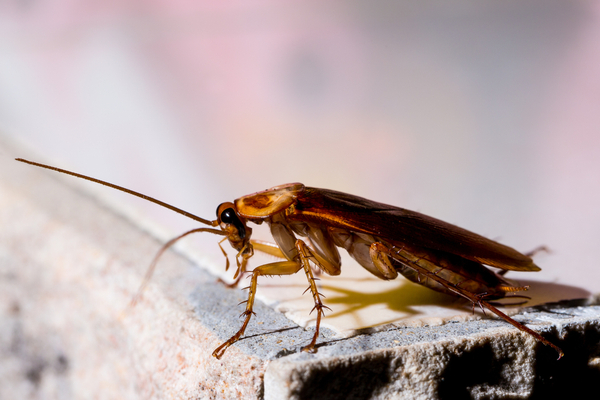
cockroaches in your basement this fall

Roaches

Like silverfish, roaches are very attracted to humidity. They’ll often seek out kitchens, bathrooms, or basements in order to access the moisture they need to survive. The most problematic roach in Michigan–the German cockroach–also highly prefers warm temperatures. Like rodents (we’ll get to them), they’re very good at following the warmth back to its source. Once inside, roaches tend to hide near food sources during the day and come out to forage at night.

Unlike silverfish, roaches don’t stick to one area in your basement. Instead, they’ll migrate throughout your home. Since they’ll go anywhere, you’ll have to check everywhere. Look for plumbing leaks under sinks, against basement walls, and near utility lines. Roaches love hiding near leaks and food, so depriving them of cover helps, too. Elevate boxes and other storage materials and keep them in dedicated, organized spaces. The clearer and cleaner the floor, the fewer places roaches will have to hide.

Spiders

Michigan’s many spider species have similar habits: they follow the food. The best way for spiders to feed in fall is by following their prey into overwintering locations. Whether you have orb-weaving or hunting spiders, chances are they’re in your home chasing prey. Michigan’s spiders can’t survive winter without taking drastic steps, so infiltrating your home kills two birds with one stone. Spiders are highly proficient climbers, so they can find access points from any angle or elevation.

Spiders generally build their nests near bug “highways” in your home, where they’re most likely to catch prey. In fact, by tracking down webs you can track down these “bug highways” and do something about them. Look for access points such as small cracks and crevices near the cobwebs in your home. Patching these gaps denies pests a way in and spiders a food source at the same time. Keeping your basement clean and cobweb-free will help disrupt spider hunting, too.

mice and rats in your basement this fall

Rodents

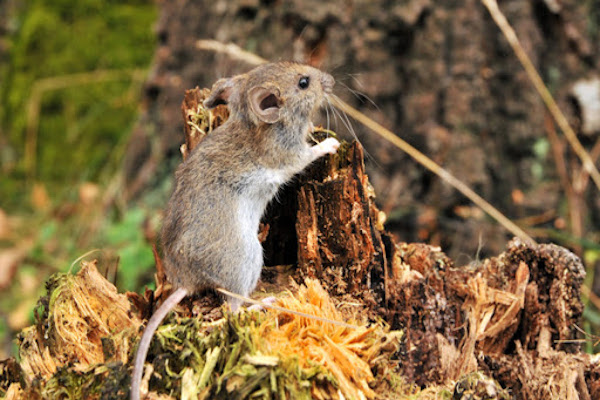
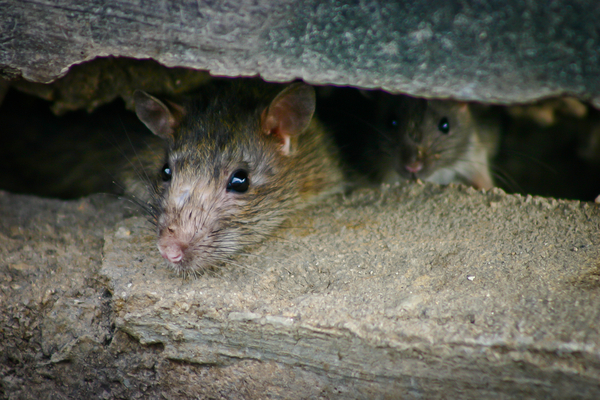
Rats and mice are the fall pest to watch for. Rodents are extremely attuned to changes in temperature and air pressure. As soon as they feel summer temperatures changing, they start preparing for winter. They have to: rodents and mice need to spend winter in warm places in order to survive. As such, rats and mice spend pretty much all fall looking for ways into warm structures. Unfortunately, they’re… very good at it.

Rodents can actually track warm drafts or food smells around a home’s perimeter until they find small openings. Rodents primarily find openings near utility lines, window and door frames, and vents. Check around these areas and seal them off with caulk or steel wool as necessary. Replace old weatherstripping and worn vent covers. Finally, vacuum, mop, and sweep your home diligently all fall and winter. It’s difficult to keep rodents from smelling your food, but you can keep them from getting it.

Even in the midst of pest season, it’s important to remember: keeping your basement pest-free is never impossible. It might seem like there’s “always another way in,” but there’s not. If you keep following pest control tips like these, you can make your basement a pest-free zone.

If you ever need help removing your current pests or keeping future ones out, give Griffin a call. We’ll help make sure you can enjoy your fall to the fullest–without worrying about pests in your basement.

The Late Summer Rat Problem

Outside rats move inside when temperatures fall

We don’t like it any more than you do, but it’s time to face facts: summer is ending. Fall will be here before we know it, whether we’re ready or not. If you pay attention, you’ll notice the whole world preparing. Squirrels are busy gathering food, ants are reproducing, and bees are swarming.

Unfortunately, some of these fall preparations might be a problem for you. Rodents like mice and rats are gearing up for fall and winter like everything else. The first item on any rat’s fall preparation list is finding a warm place to stay. If you’re not careful, that place could be your home. The only way to keep rats out this late summer is to beat them at their own preparation game. Here’s what those rascally rodents are up to and how to counter them at every turn:

Looking for Food

Rodents have an incredibly keen sense of smell. Rats can interpret all kinds of information from different scents. This sense of smell helps guide rodents toward accessible food supplies. Rats can smell food through walls, even if it’s dry and stored. They can even smell how easily they’ll be able to access it. Rats literally follow their noses to sources of food, letting scents guide them to vulnerable access points.

Rats are looking for consistent sources of food they can access easily. They want to be able to sneak into boxes of food to chow down without anyone noticing. Make that as hard as possible. Store all your dry goods in airtight plastic containers. Clean up your dining and kitchen areas after every meal. Take your garbage out every night. If you can make your food hard for rats to get at, they’ll be much less interested in trying.

Rats start building nests in late summer and fall

Building Nests

Rodents aren’t picky about nesting material. They build small, tightly-packed clumps of various debris, which they rest and eat in. Rats build their nests of paper, insulation, stray fabric, and other trash. They gather these materials by dragging them into dark corners. Often, rats will rip paper or other objects to shreds to use as nesting material. Rodents also rear their young inside these nests, where they can stay safe and hidden.

Rats build their nests in dark, secluded, and warm areas. They want to be able to rest and forage for food without fear of being spotted. Consequently, if there’s a rat nest in your home, it’s probably in your basement, attic, or crawl space. Look for nests in corners or beneath furniture. Rats often build nests into damaged insulation, walls, or other nooks and crannies. Prevent rats from building nests by taking care to keep your basement clean and tidy.

Teething

Rat and mouse teeth never stop growing, so the rodents never stop teething. Rats and mice have to gnaw on something constantly to keep their teeth sharp and healthy. They’re not particularly picky about what they chew on. As long as it’s soft enough to bite down on safely, rats are all over it. Teething is a big reason why rats can be dangerous inside homes. When rats bite down on wiring, they could start dangerous electrical fires.

Rats gnaw on soft materials that they can access while they’re sneaking around. Usually, they’re chewing on boxes, storage materials, fabrics, or wiring. The best way to keep rats from damaging your stuff by chewing on it is to elevate it. Keep vulnerable stored materials in an elevated place where rats can’t reach it. Replace your cardboard boxes with hard plastic ones. Conceal and protect electrical wiring whenever possible, and consider affixing it to the wall.

Rats sneak into homes to find shelter in late summer and fall

Looking for Shelter

Rats have extremely keen perceptive senses developed over centuries of hard-won survival. One of the main reasons why they have these developed senses is so they can prepare for environmental changes early. When they start sensing a season’s change, they start looking for warm shelter right away. Rats use several senses to start searching for shelter. Their whiskers help them locate drafts and warm breezes, which they can follow into structures.

Rats use their heightened senses to find all kinds of access points. Once they find these access points, they can twist and squeeze their way in through surprisingly tiny openings. Rodents frequently squeeze through openings in door and window frames, utility lines, and small foundation cracks. Many rodents can climb surprisingly well to access openings, but most get in via access points close to the ground. Finding and blocking off these access points is the most important thing you can do to prevent rodent infestations.

Rodents are very, very good at preparing for cold weather. One of their most dastardly techniques is sneaking their way inside before we know to look for them. If they’re safely ensconced in your home before the temperatures even drop, they won’t have to worry about your fall defenses!

If rodents start this early, we have to start preventing them this year, too. Follow these tips starting now to keep rodents from infesting your home this fall. It’s not too early to start thinking about winter! If you do end up with rodents now or later, however, remember that you can always give Griffin a call. No matter how prepared your rodents are, we’ll prove we’re even more prepared.

The Season of the Rodent

Rats and mice are very active this time of year.

Autumn can be one of the nicest times of the year. The leaves change color. The temperature is perfect. Even the sky just looks bluer. Everyone knows Winter is Coming, but at least fall makes for a nice consolation. At least, it should. Unfortunately, “everyone” knows Winter is Coming. Everyone includes rodents.

When the temperature drops, rodents start trying to get into your place like their lives depend on it. Nothing ruins the last nice weeks we have left like a rat infestation. You should be enjoying the all-too-fleeting pleasures of autumn while you can–not stressing out about the rats in your basement. Here are four good ways you can ensure unwelcome guests stay out of your home this fall.

Seal Doors and Windows

seal doors and windows this fall to keep rodents outMost of the heat that escapes from homes leaks out of gaps around door and window frames. Rodents can feel this warm air escaping from outside, and they can follow it back to its source. Mice and rats are notorious for their ability to squeeze through tiny gaps. Even a tiny crack in a window frame’s weather-sealing is more than enough space for a motivated rodent.  
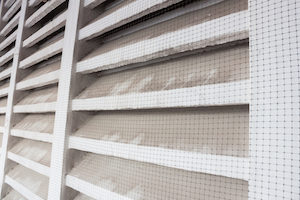
Double-check every window in your home. Make sure the window pane sits properly and the weather-proofing hasn’t worn down or peeled away. Look for cracks or other damage in the frame itself, as well. Check for condensation on the window sill and run your hand along the frame to feel for cool air. If you find either, it means there’s probably a draft around the window. Find and seal up this draft, and you’ll go a long way toward keeping rodents out of your home. Once you’re finished with the windows, follow these same steps at each outside door.

Put Screens over Vents

put screens over your vents this fall to keep rodents outYour home transfers outdoor air in and out from more places than you’d think. Pretty much every water-using appliance needs to have a ventilation system to function properly and prevent excess humidity. Vents work by transferring hot air out of your home. Unfortunately, rodents can feel this hot air from outside just like they can feel drafts. If your vent systems aren’t appropriately covered, then rats can use them to crawl into your home.

Remember: you need to leave enough space in your vent system to let air pass through. If you don’t, you’re defeating the purpose of having ventilation in the first place. Putting screens over your vent’s outlets will allow air to flow normally while keeping rodents out. Remember, however: rats and mice are notorious gnawers. Check on your screens annually to make sure the annoying munchers haven’t chewed their way through. If any of your screens have been noticeably damaged, you should replace them as soon as possible.

Check Outside

clean up your yard this fall to keep rodents outWhile you’re out checking your vent covers, take a look around the foundation of your home. Look for cracks where you can see light from inside, or where you can feel heat escaping. Pay special attention to areas of the home where utilities like water and gas enter the building. These access points tend to have gaps juuust wide enough for rodents to enter.   

After you’ve “secured the perimeter,” you could take this opportunity to de-clutter your lawn. Fall tends to drop all kinds of debris into your yard. Rodents use fallen leaves, overgrown bushes, weeds, and other clutter as a means to get close. Keep clutter like leaf piles or firewood at least five inches away from your home. Keep trimming your bushes and lawn until they stop growing for the season. Make sure tree branches don’t brush up against your home. This all might sound extreme, but rodents really will use anything they can.

Clear the Clutter

clean up your basement this fall to keep rodents outYou didn’t think you’d get away with only cleaning the outdoors, did you? Sorry, but once you’re finished de-cluttering your yard, it’s time to move inside. Messy basements and attics attract rodents looking for warm, dark, and hidden places. The more space they have to move around in secret, the more attractive your home will look to them. One of the best ways to make sure rats leave you alone is just to demonstrate that you know they’re there.

First, pick up boxes and bags lying on the floor in your basement. Sort through them, organize them, and keep them on shelves or in cupboards. Keep your floor as clutter-free as possible to make rodents feel uncomfortable crossing it. Vacuum and dust every room in your home at least once every two to three weeks. You should vacuum any rooms where you eat or prepare food even more frequently. If you can deprive rodents access to the resources they came looking for, they’ll start looking elsewhere for them.


The stakes never get higher than they are right now. Rodents that get into your home during warmer months come and go as they please. If rodents get into your home in fall, however, they’re staying for the duration. Winter is hard enough without sharing your space with furry roommates.

Even if you do end up with rats this winter, though, you don’t have to despair. Griffin Pest Solutions isn’t flying south; we’ll be here all year to help you with any pest problems you have. We’ll keep pests out so you can get back to enjoying one of the most beautiful times of the year.

Preparing for Fall Pests

Preparing for fall pests

Earlier this month, we listed four of the most common pest infestations that happen in late summer. Each of these pests had something in common: they were all trying to get out of the cold. Unfortunately, these pests don’t stop trying to sneak their way to warmth just because it’s fall. In fact, they only try harder.

Fall is the perfect time for preventative pest maintenance because it’s warm enough that you can still go outside and get work done without freezing. The earlier you pest-proof your home, the fewer pests will be able to use your home as their own personal winter vacation pad. Here are four simple things you could do this fall to minimize your risk of a winter-long pest infestation. Winter is rough enough on its own!

Yard Work

doing yard work this fall will help prevent pest infestation

If your yard gets bogged down in long, dying grass, fallen leaves, or untrimmed bushes and shrubs, opportunistic pests WILL find it. It would be bad enough if hordes of pests just hung around eating your yard and making themselves a nuisance, but they won’t just stay there. When it starts getting colder, they’ll be all-too-happy to move right in.

Rake up fallen leaves to avoid having soggy piles build up in your yard. Mow your lawn short until it stops growing, and don’t forget to trim your bushes. Pests often use decorative yard plants as ladders, so it’s a good idea to keep a border of at least 3 feet between the edges of your home and plant life. As winds pick up and temperatures drop, pick up fallen debris from nearby trees and shrubs. Finally, make sure your yard isn’t absorbing too much moisture. There should never been puddles of stagnant water on your property.

Border Maintenance

reinforcing borders and other entrances to your home will help prevent pest infestation this fall

While you’re outside, take the time to walk the perimeter of your home. Look for any small cracks or gaps pests could use to get inside. These cracks won’t always look the way you’d expect. One common way pests get into homes is by crawling up utility lines like pipes and electrical wires. They follow the line and squeeze through small gaps where the utilities enter the home. Pests like spiders and cockroaches can even crawl through plumbing vents and chimneys on the roof.

First, caulk over the gaps around utility lines. Then, check each window and door frame and sill. Replace old weatherstripping, make sure doors and windows are seated correctly, and check for drafts. Window frames tend to be particularly vulnerable, so check them thoroughly and repair them as necessary. Don’t forget about windows in the basement or attic, either. Make sure you’ve got all the entrances covered–big and small, high and low–and you’ll go a long way toward a pest-free winter.

Decluttering

cleaning up your basement can help prevent pest infestations this fall

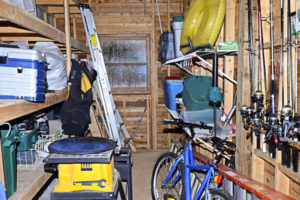
Clutter doesn’t just help pests while they’re outside. The messier your home is, the more places pests have to hide and nest. Cluttered, junk-filled basements provide all kinds of the dark, confined, humid places that pests love, and they’re really good at seeking them out. It’s easy to let things pile up in your basement, attic, or storage place, especially in the winter. Remember, however: the longer you go without cleaning, the more comfortable pests will feel living in your home.

Everyone knows about “spring cleaning”, but no one ever talks about “fall clean up”. You should change that. Go through your basement, attic, closets, and other storage places this fall. Clean out anything you don’t need. Organize everything you’re keeping and make sure it’s in a safe, secure place. Pests are shy by necessity, so the harder it is to find shelter in your home, the less they’ll want to stay. We guess you could say you’re making your home “scary” clean!

Good Habits

Developing good anti-pest habits will help prevent infestation this fall

Probably the most important thing you can do to keep pests away is to develop some good anti-pest habits. It’s not enough to spend a couple days in fall over-preparing for pests like a student cramming the night before a test. You’ll experience much more success (and fewer pests!) if you keep up with your anti-pest regimen all fall and winter long.

First, don’t let clothes, food, boxes, or other junk pile up in your basement, mud room, or garage. Take the garbage out to the dumpster as soon as it’s full, and keep it in plastic bags. Dispose of anything pungent or compostable in the dumpster right away, instead of letting it sit in the dumpster. Get routine maintenance problems like plumbing leaks dealt with as quickly as possible. Pick up yard clutter in the snow every now and then, even if it’s cold out. Store firewood away from the house, never up against it.


Fall is pest season crunch time. Our rodential rivals and insectoid irritants will be doing absolutely everything they can to stay warm over the winter, so we’ve got to do everything we can to keep them out.

Following steps like these during your “fall cleanup” (yes, we’re making it a thing) will go a long way toward keeping even the most desperate and creative of pests out of your home. And remember, in the unfortunate event you do end up with an infestation, don’t panic! Just give Griffin a call. We’ll seal things up and get pests out.

Protecting Your Lawn From Pests

Protect your lawn from destructive pests

Summer may be coming to an end, but that doesn’t mean we get to stop worrying about our lawns just yet. In fact, fall is the most active season for many lawn-destroying pests, like box elder bugs and other beetles. The last thing you want is to have spent all summer meticulously grooming your lawn, only to see it destroyed at the finish line.

Luckily, it doesn’t have to end that way. There are a number of ways you can fight back against lawn-munching insects right up until the ground freezes. Protecting your lawn now will help ensure it comes back stronger than ever the next spring. Just follow these steps:

Mow, Trim, and Manage

mowing your lawn will help prevent fall lawn pests

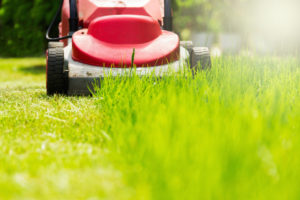
You should keep mowing your lawn in the fall right up until it turns brown and dies. Long, unkempt grass attracts pests and weeds. Bugs can eat grass and feed their larvae with its root systems. Larvae can permanently damage your lawn and potentially create ugly brown spots. If the damage is extensive enough, large sections of your lawn may not regenerate in spring.

You should mow your lawn about as often as you did in summer, until you notice the grass is no longer growing. Make sure you bag the clippings, and rake up dead grass as needed. Along with mowing, it’s important to trim bushes, ornamental shrubs, and tree branches, too. Pick up any debris that falls onto your lawn, too. Depriving pests of easy food and shelter will make your lawn far less appealing to grass-gnawing opportunists, and much healthier, too.

Pull Out Grubs

look for and pull out grubs beneath sod on your lawn

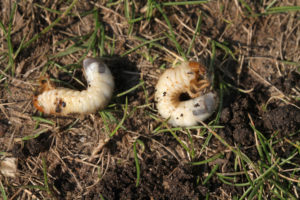
When larvae feeds on root systems for long enough, the grasses’ ability to absorb nutrients from the soil is diminished. The grass won’t get the sustenance it needs to grow, and it will wither and die. Dead grass looks crunchy and brown. Larvae can eat certain parts of your lawn and leave others untouched, creating brown spots of dead grass in an otherwise healthy yard.

If you have a brown spot, you should cut about 1 foot down into the turf at one of its edges. Roll away the area with the damaged grass and look at the dirt below. Chances are, you’ll find several beetle grubs. If you find more than 5, you’ll need to treat your grub infestation immediately. There are store products available for this task at most hardware stores and nurseries, or we could help you with it. Don’t leave the grubs in your lawn until spring.

Don’t Overwater

Be sure not to overwater your lawn, especially in fall

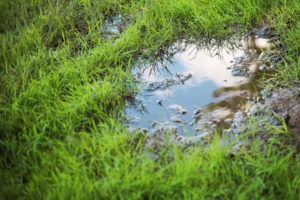
Pests of all varieties are attracted to moisture, especially if it’s easily accessible. When you water your lawn too much, the dirt and root systems can’t soak up and absorb all the moisture you’re introducing. Instead, excess water sits on the surface.

Remember: even though your lawn will keep growing in fall, it probably won’t need as much water as it did during the summer. As temperatures cool and nights grow longer, dew lasts longer and less moisture evaporates in the sun. Be careful not to overwater your plants, and ensure your lawn has proper drainage in case of heavy rains. If you notice persistent puddling or wet spots in low areas of the lawn, you should consider leveling out that part of the yard.

Weed

pull weeds out of your lawn to help prevent lawn pests this fall

Undesirable plants like weeds, dandelions, moss, ivy, brambles, and crabgrass don’t just choke out your grass and other plants; they attract pests too. Wild, growing weeds attract all kinds of different bugs, from gnats to flies. Wild flowers may attract wasps or bees. Weeds can provide a much-needed food source for pests during the fall. Some weeds may even attract wild animals like deer or raccoons to your yard.

You probably got used to weeding this summer, so don’t stop now! When you’re pulling weeds out of your yard, make sure you pull out the whole root system. This will ensure the weed plant doesn’t regenerate. You could also administer localized herbicide from a spray tool–but be careful not to kill any plants you want alive! Dispose of weeds in your garbage or composting. Never pull out weeds and then leave them in your yard, or you just basically made a garden salad for pests! “Garden salad”, see what we did there?


You worked hard this summer making sure your lawn stayed healthy and beautiful. Don’t let all that hard work go to waste thanks to some dumb bug. Follow these yard maintenance tips until the ground freezes, and you’ll get to enjoy a healthy and happy yard next spring.

Even if you do end up with yard pest problems–or any other kind of pest problem for that matter–don’t despair! Just call Griffin and we’ll help make sure the grass is greener on the other side.