How to Keep Squirrels Off of Bird Feeders

4 Ways to Keep Squirrels Away from Your Feeder

baffles may help keep squirrels away... as long as they're big enough

Key Takeaways

  • Squirrel baffles are an affordable, effective way to send them sliding right back down to the ground.
  • Diversion feeders give squirrels an easier meal, keeping them away from your birds’ feed.
  • Spicing up your birdseed with cayenne pepper makes it unappetizing to squirrels, but doesn’t bother birds.
  • Suspended feeders with spinners create a bird-only zone that even the most determined squirrel can’t conquer.
  • Squirrel-repelling seeds and seed trays offer additional layers of defense.

Squirrels seem unstoppable when it comes to invading your bird feeder. They’re not. You just need to get even more creative than they are. Ways to keep squirrels off bird feeders include using a baffle or seed tray, sprinkling cayenne pepper on birdseed, and using squirrel-deterring seeds (such as safflower seeds).

These rodential rascals are always rather mercenary when it comes to getting food, but fall is when they become relentless. Nobody knows this better than the innocent bird lover. Squirrels stop at nothing to deprive your birds of the meal that’s meant for them. They’ll hang upside down, perform death-defying acrobatics, and get shockingly aggressive, all in the name of a little seed. 

6 Ways to Keep Squirrels Off Your Bird Feeder

  1. Get a squirrel baffle.

You can find a bowl-like contraption called a “squirrel baffle” for sale at most hardware stores. They’re designed to, well, baffle squirrels. Baffles are made of plastic or metal and hang near the bird feeder. If your feeder hangs from a tree, then the baffle attaches above the feeder. If your feeder rests on a pole sticking out of the ground, then the baffle goes beneath the feeder on the pole.

Place the “bowl” upside down, so that the concave opening points down. When squirrels try to climb on the baffle, they won’t be able to find purchase. Instead of getting to your feeder, they’ll slide off the plastic slope and fall off. Don’t worry, squirrels are master acrobats, so a little fall won’t hurt them. It is pretty funny to watch, though. 

Baffles are also cheap and relatively easy to make. Make sure your homemade baffle is wide enough that squirrels can’t stretch around it. If they can, you know they will.

distract your squirrels with a different source of food

  1. Set up a diversion.

Squirrels are all about the path of least resistance. If you were to, say, distract them with a more accessible food source, they’d leave your feeder alone. When it comes to keeping squirrels away from a vulnerable feeder, a diversion may well be your best option. Everybody eats, everybody wins.  

Based on the gusto they exhibit in the act, it’s easy to assume squirrels enjoy their feats of robbery. Believe it or not, however, that’s not the case. Squirrels go to great lengths to get at your feeder for one reason: they’re opportunists. When temperatures start to drop, squirrels get desperate to fatten up for winter. They need the food, and they’ve got the skills, so why not stage their high-flying heists on your feeder?

We’re not saying this idea doesn’t have drawbacks. You’d need a lot of food. Squirrels are nigh-insatiable this time of year. Plus, you’d invite more squirrels to your yard than ever. And you’d be feeding the enemy. 

  1. Spice up the birdseed with cayenne pepper.

Alright, so you don’t want to deal with any more squirrels than you have to. And you don’t want to feed those glorified bandits anyway. Fair enough. What if you could make the food you’re leaving for birds into something only birds would want to eat? You wouldn’t have to set out more food or even go to great lengths to squirrel-proof your feeder!

Well, did you know that birds don’t mind spicy seeds? They can’t taste the difference. Guess what can? Sprinkle some cayenne pepper or a similar spice onto your birdseed before you put it out. Birds will eat the seed just fine, but squirrels will smell the heat and stay well clear. 

You’ll have to reapply the spice frequently, however, or it’ll wash off or blow away. Squirrels will notice the spice is gone as quickly as they smelled it in the first place, and then you’ll be back to square one. Some stores also sell bird seed that starts spicy, so you don’t have to add the spice yourself.

  1. Suspend your bird feeder.

The squirrels around your house can leap up to 10 feet horizontally, but they can’t fly. If you could figure out a way to suspend your feeder just right, you could make it a birds-only zone. The easiest way to manage this gravity-defying trick would be to string up a wire between two trees.

First, find two mature trees that are at least 10 feet away from each other. Run the wire between the trees and pull it taut. Then, run some “spinners” along the wire to prevent particularly determined tightrope walkers. Spinners can be plastic soda bottles, yarn spools, or anything else that rolls. Squirrels won’t be able to walk across the spinner without rolling off the wire and onto the ground. 

Finally, hang your bird feeder in the dead center of the wire, far from either tree. Voila! You have a floating bird feeder. Terrestrial mammals need not apply. Just make sure the bird feeder is high enough off the ground, too. All this work won’t matter if your squirrels can just leap up and knock seeds down whenever they want.

use spicy bird seed in your feeders to scare off squirrels

  1. Buy squirrel-repelling birdseeds.

Not all birdseed is created equal, at least not in a squirrel’s eyes. While those bushy-tailed bandits will go to absurd lengths for sunflower seeds, there are certain seeds they simply can’t stand. 

Safflower seeds are a squirrel’s nemesis. Something about their bitter taste sends squirrels packing, but cardinals, chickadees, and nuthatches gobble them up without complaint. Nyjer seeds (also called thistle seeds) are another excellent option. These tiny, oil-rich seeds are beloved by finches and siskins but hold zero appeal for squirrels. They’re simply too small and not worth the effort for our furry foes.

And remember how we mentioned that birds can’t taste spicy? Hot pepper seeds take full advantage of that biological quirk. These seeds come pre-treated with capsaicin: the compound that makes hot peppers hot. 

You can find all these specialty seeds at most garden centers, hardware stores, and online retailers. They cost a bit more than standard sunflower mixes, but think of it as paying for peace of mind (and fewer furry freeloaders).

  1. Use a seed tray.

Here’s a little-known secret in the war against squirrel thievery: seed trays. They reduce the amount of seed that falls to the ground, which is what attracts squirrels in the first place. Ground-level snacking is a squirrel’s preferred dining experience, far easier than those death-defying aerial maneuvers. 

Some seed trays even come with built-in baffles or cages, turning them into multi-purpose squirrel-thwarting devices.

Do Squirrels Scare Birds Away?

The short answer: absolutely. The long answer: squirrels are territorial little tyrants when food is involved. They’ll chase birds away from feeders, hog all the seed for themselves, and generally make your backyard an unwelcoming place for your feathered friends. Some squirrels even damage feeders in their relentless pursuit of a snack, leaving your birds with nowhere safe to eat at all.

suspend your squirrel feeder in the air to frustrate squirrels

Do Ultrasonic Squirrel Repellents Work?

We’d love to tell you there’s a magical device you can plug in that’ll send squirrels running for the hills. Unfortunately, the science on ultrasonic repellents is underwhelming. These devices claim to emit high-frequency sounds that drive pests away while remaining inaudible to humans. 

However, squirrels are remarkably adaptable creatures. Even if an ultrasonic device initially startles them, they’ll quickly realize the noise isn’t actually dangerous and go right back to raiding your feeder. 

Keep Squirrels Away With Professional Help

Look, all of these ideas may make it sound like we hate squirrels. We don’t! We actually find their determination and resourcefulness charming. Plus, they have those bushy little tails. Unfortunately, squirrels aren’t the only wildlife you’ll have to be on the lookout for this fall. And most of the rest of it isn’t nearly as charming. 

That’s why you should bring in the professionals when you have nuisance wildlife, like squirrels. If you have a pest problem in your home, whether it’s rodent or insect-based, give Griffin Pest Solutions a call today. We’ll set you up for winter right, so you have nothing to worry about. Happy bird watching!

Protecting Your Lawn From Pests

Protect your lawn from destructive pests

Summer may be coming to an end, but that doesn’t mean we get to stop worrying about our lawns just yet. In fact, fall is the most active season for many lawn-destroying pests, like box elder bugs and other beetles. The last thing you want is to have spent all summer meticulously grooming your lawn, only to see it destroyed at the finish line.

Luckily, it doesn’t have to end that way. There are a number of ways you can fight back against lawn-munching insects right up until the ground freezes. Protecting your lawn now will help ensure it comes back stronger than ever the next spring. Just follow these steps:

Mow, Trim, and Manage
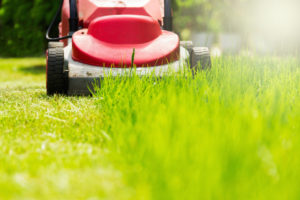
mowing your lawn will help prevent fall lawn pests

You should keep mowing your lawn in the fall right up until it turns brown and dies. Long, unkempt grass attracts pests and weeds. Bugs can eat grass and feed their larvae with its root systems. Larvae can permanently damage your lawn and potentially create ugly brown spots. If the damage is extensive enough, large sections of your lawn may not regenerate in spring.

You should mow your lawn about as often as you did in summer, until you notice the grass is no longer growing. Make sure you bag the clippings, and rake up dead grass as needed. Along with mowing, it’s important to trim bushes, ornamental shrubs, and tree branches, too. Pick up any debris that falls onto your lawn, too. Depriving pests of easy food and shelter will make your lawn far less appealing to grass-gnawing opportunists, and much healthier, too.

Pull Out Grubs
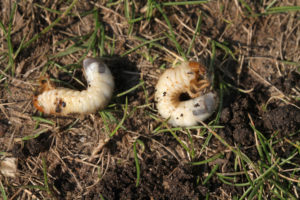
look for and pull out grubs beneath sod on your lawn

When larvae feeds on root systems for long enough, the grasses’ ability to absorb nutrients from the soil is diminished. The grass won’t get the sustenance it needs to grow, and it will wither and die. Dead grass looks crunchy and brown. Larvae can eat certain parts of your lawn and leave others untouched, creating brown spots of dead grass in an otherwise healthy yard.

If you have a brown spot, you should cut about 1 foot down into the turf at one of its edges. Roll away the area with the damaged grass and look at the dirt below. Chances are, you’ll find several beetle grubs. If you find more than 5, you’ll need to treat your grub infestation immediately. There are store products available for this task at most hardware stores and nurseries, or we could help you with it. Don’t leave the grubs in your lawn until spring.

Don’t Overwater

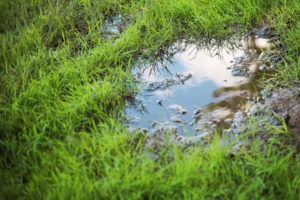
Be sure not to overwater your lawn, especially in fall

Pests of all varieties are attracted to moisture, especially if it’s easily accessible. When you water your lawn too much, the dirt and root systems can’t soak up and absorb all the moisture you’re introducing. Instead, excess water sits on the surface.

Remember: even though your lawn will keep growing in fall, it probably won’t need as much water as it did during the summer. As temperatures cool and nights grow longer, dew lasts longer and less moisture evaporates in the sun. Be careful not to overwater your plants, and ensure your lawn has proper drainage in case of heavy rains. If you notice persistent puddling or wet spots in low areas of the lawn, you should consider leveling out that part of the yard.

Weed
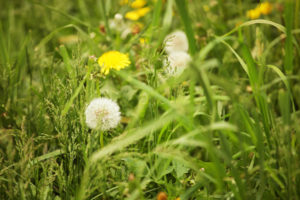
pull weeds out of your lawn to help prevent lawn pests this fall

Undesirable plants like weeds, dandelions, moss, ivy, brambles, and crabgrass don’t just choke out your grass and other plants; they attract pests too. Wild, growing weeds attract all kinds of different bugs, from gnats to flies. Wild flowers may attract wasps or bees. Weeds can provide a much-needed food source for pests during the fall. Some weeds may even attract wild animals like deer or raccoons to your yard.

You probably got used to weeding this summer, so don’t stop now! When you’re pulling weeds out of your yard, make sure you pull out the whole root system. This will ensure the weed plant doesn’t regenerate. You could also administer localized herbicide from a spray tool–but be careful not to kill any plants you want alive! Dispose of weeds in your garbage or composting. Never pull out weeds and then leave them in your yard, or you just basically made a garden salad for pests! “Garden salad”, see what we did there?


You worked hard this summer making sure your lawn stayed healthy and beautiful. Don’t let all that hard work go to waste thanks to some dumb bug. Follow these yard maintenance tips until the ground freezes, and you’ll get to enjoy a healthy and happy yard next spring.

Even if you do end up with yard pest problems–or any other kind of pest problem for that matter–don’t despair! Just call Griffin and we’ll help make sure the grass is greener on the other side.