

Easily the most common pest problem people deal with every day are flies in their kitchen. It makes sense: kitchens and other food storage areas naturally tend to create ideal fly infestation conditions. There are even all kinds of different common flies, and they’re all looking for something a little different. The trick to keeping flies away is figuring out what that “something” is and making sure they can’t get it.
Start by figuring out which kind of fly is bothering you. Chances are, it’s one of the four particularly pernicious pantry pests we’ve listed below. Once you’ve identified your nemesis, follow the steps below to deprive them of what they want. Don’t give up; a fly-free future is possible! Here’s how to keep four of the most common kitchen flies from bothering you anymore:
House fly
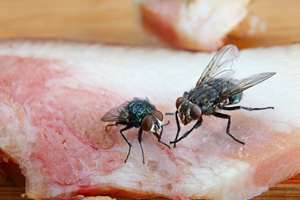 House flies are dark grey flies with four black stripes on their slightly hairy thoraxes. They’re around ⅛ to ¼” long and round or oval-shaped. The easiest way to identify a house fly is to look for their prominent red eyes. Usually, you’ll notice a house fly infestation when you see one of the flies near your garbage or food. You may also find small cream-colored eggs or larvae laid on food material.
House flies are a problem because they transmit hundreds of pathogens via their saliva and waste. They also soil food products by laying eggs inside of them. Fruit flies are naturally attracted to water, sugar, broth, and soluble food stuff, which they feed on and lay eggs in. The best way to prevent house flies is to make these breeding sites inaccessible. Keep garbage sealed and dispose of it before it begins to rot. Rinse out bottles and cans before you throw them away. Store food like grains and pasta in sealed plastic containers.
Blowfly
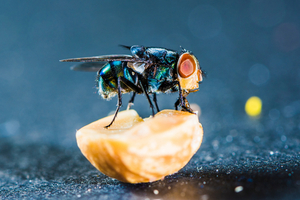 Blowflies (or bottle flies) are small, round flies that are metallic green, blue, or copper-colored. Their metallic-looking bodies are slightly iridescent and make them relatively easy to spot. They’re usually only around ¼ to ½” long. Blowflies congregate on dead, decaying, or rotting things in great numbers. They tend to be particularly noticeable outside during the summer. If you have them inside, they’re probably flying around either your garbage or some other source of rotting material.
Like house flies, blow flies are a problem primarily because they transmit diseases. Blowflies also reproduce astonishingly quickly. A large number of flies can inhabit a food source in a short period of time. When you have a blowfly problem, the first thing you should check is your garbage. Dispose of all your garbage and rinse out your cans and dumpsters. Look for and remove any sources of decaying organic material such as pet feces or fertilizer.
Get Started Today With Griffin!
Fruit fly
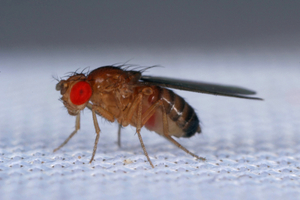 Fruit flies or vinegar flies are tiny (⅛” long), very light tan flies with almost translucent bodies. Like house flies, their prominent, bright red flies are their most distinguishing feature. Fruit flies are attracted to any organic material that’s ripe, fermenting, or otherwise moist. They reproduce and lay eggs in any thin film of moisture on top of fermenting material. A single female fruit fly can lay 500 eggs. These flies have extremely short life spans and reproduce extremely quickly.
Fruit flies are primarily considered nuisance pests, but like other flies, they can also contaminate food sources with pathogens. Any food that could produce condensation could attract fruit flies and foster fruit fly growth. Pay close attention to where you’re throwing away food, especially fruits and vegetables. Even small sources of moisture like spilled fruit juice could attract literally thousands of fruit flies. Dispose of any overripe or rotting food regularly, and rinse out your garbage cans once a month.
Cluster fly
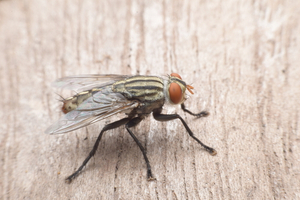 Cluster flies like the common cluster fly (Pollenia rudis) usually enter homes during the fall. They look very similar to common house flies, except they have patches of bright yellow hair under their wings. During spring and summer, they reproduce and lay eggs in the soil. Cluster flies produce three to four generations in a mating season. During fall, adult cluster flies attempt to enter enclosed and protected areas in order to survive winter.
Cluster flies are largely considered nuisance pests, similar to other overwintering nuisance pests such as stink bugs. They don’t damage your home or transmit diseases. Their bodies or waste may attract other pests to the areas they inhabit, however. The best way to keep cluster flies out of your home is to block their common entry points. Seal cracks around windows, doors, thresholds, and utility lines. Repair or replace damaged screens. Patch up cracks in chimneys or roofing shingles.
If you feel like you’ve tried everything and you still have a fly problem, don’t despair. There’s a reason why flies continue to be the most common pest problem in the US. The frustrating little bugs are very good at getting theirs. Luckily, we’re even better at stopping them.
If you decide you need some help dealing with your kitchen foes, give Griffin a call any time. We have everything we need to make your kitchen fly-free and keep it that way. Your fly-free future still awaits! All you have to do is call now.

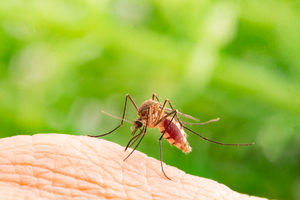 Mosquitoes
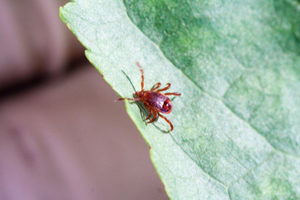 Several
 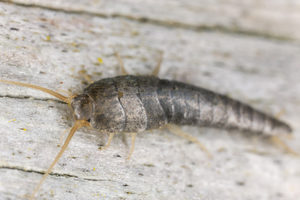 Unlike the other pests on this list,
 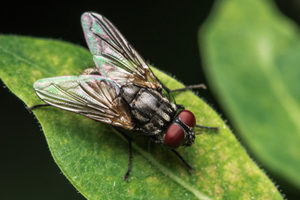 House flies become especially prevalent in summer because they begin reproducing in late spring. Mother house flies deposit up to 150 eggs on an appropriate food source, such as garbage. During the heat of summer, these eggs hatch very quickly–sometimes
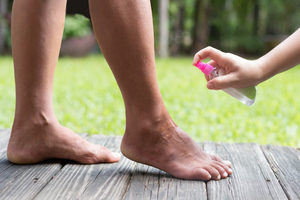 Yes, there are right and wrong ways to use bug spray. Applying bug spray effectively is easily the most effective way to keep bugs away while you’re outdoors this summer. Here are the bug spray “dos” and “don’ts” you should know.
 Mosquitoes
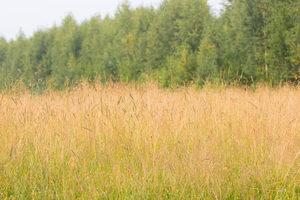 No matter where you’re going, there are ways you can stay out of the most bug-infested areas. Ticks use tall grass and other low-to-mid height plant life to hunt or “quest.” They climb to the top of the grass and wait for unsuspecting prey to wander by. Staying out of tall grass or heavy vegetation will help you avoid the worst tick risks while outside.
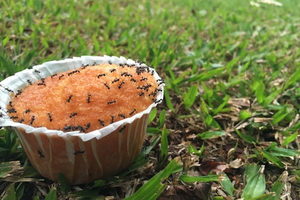 All kinds of stuff can attract different kinds of bugs. Some of it is obvious: sugary foods attract
 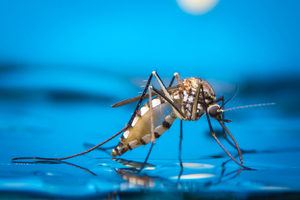 When you think “summer bugs,” you almost certainly think of
  Japanese beetles
 Wasp
Wasp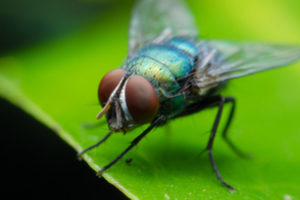 Several types of