Where Do Flies Come From in Winter?

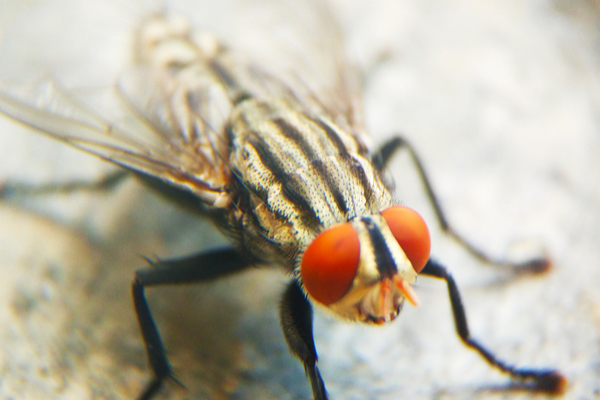
A close up image of fruit fly in Michigan Home

Having flies in your home is never fun, but during the winter it’s downright intolerable. After everything else you have to put up with, you don’t even get a break from pests? Unfortunately, flies are surprisingly common indoor pests during the winter. They might be around even if you can’t see them!

Winter flies may seem inexplicable, but, as always, there’s a pretty straightforward reason they’re in your home. Learning why your flies are around and what they want will help you make sure they can’t get it. Here’s all the info you should know about flies in winter, including how to keep them out.

How do flies survive winter?

There are hundreds of thousands of common fly species, and they deal with winter in all kinds of ways. “Filth” flies like blow flies, fruit flies, and phorid flies tend to live in and around garbage all year. During the winter, they simply nestle into garbage in sheltered areas and hunker down to preserve heat.

Other flies, such as face and cluster flies, lay eggs in warm areas during the fall. The flies laying the eggs dies of natural causes, but their offspring hatch all winter. Once the offspring are inside, they can continue reproducing, laying eggs, and hatching. Larger flies, like cluster flies, may also enter the state of diapause to preserve energy and body heat.

What are the flies inside my home?

The flies most likely to bother you in your home this winter are cluster flies, fruit flies, or house flies. Fruit flies and cluster flies are particularly common in Michigan, even during the winter. These flies are easy to tell apart: fruit flies are tiny, lightly-colored flies with big red eyes. Cluster flies are big, stocky flies with dark coloration.

Unsurprisingly, fruit flies are most common around your kitchen. They seek out warm, moist places where they can access food. Adult fruit flies lay eggs in rotting fruit and plant material. They may live in and around your garbage or drain. Cluster flies are common around windows, attics, and basements. They look for warm, secluded places where they can huddle together and enter diapause. Cluster flies occasionally re-emerge on warm days to regain heat and energy.

How do flies get inside my home?

Cluster flies work their way into homes starting in late summer and fall. They cluster together in large groups on the sides of walls to soak up sun and stay warm. As temperatures cool, the flies look for cracks and gaps they can use to stay out of the wind. Often, these cracks may lead them into your home, either behind the walls or in attics and basements. Common access points include cracks under baseboard, windows or door trim, and around fans, lights, or utilities.

Fruit flies may infiltrate your home by hiding inside grocery bags or other transported food materials. Fruit fly eggs are tiny and very difficult to see. If you accidentally bring a couple eggs indoors, those eggs may hatch and grow into an infestation. Adult fruit flies can also sense rotting or fermenting material and follow it back to your home. They may lay their eggs around your garbage or other areas where they can find rotting food.

What do flies want?

Without warm, secluded shelter, flies can’t survive freezing temperatures. Most common flies can’t hibernate, either, which means they need a shelter where they can access food. If you have flies, it means your home provides both of these things. Cluster flies look for warm, hidden areas where they can remain dormant for long periods. They won’t eat much, reproduce, or cause any real damage. The only time you may see them is during warm days, when they may emerge.

Fruit flies might be more annoying. They will eat, reproduce, and infest food supplies. Fruit flies attach themselves to any fermenting or rotting food–not just fruit. They’ll work their way into the rotting food to lay eggs and feed continuously. Like cluster flies, they need their food sources to be in warm places to survive. Fruit fly eggs will also die if exposed to freezing temperatures, so fruit flies have several incentives to get inside.

How can I get rid of flies?

Cluster flies are difficult to control in winter, because they may already be hiding in your walls. If you try sealing their access points now, you may trap the flies in your walls. That could create a mess and attract other, even less pleasant pests. When spring comes, cluster flies will typically leave your home to warm up outside. Until then, we recommend swatting or vacuuming the flies you encounter and leaving the rest alone.

Getting rid of fruit flies means wiping out their food and shelter sources. Look for any sources of rotting or fermenting food inside your home. Clear and clean out each of your garbage bins. Sanitize the places where you keep your garbage. Seal off possible access points around food, such as window frames in your kitchen or dining room. Fruit flies can squeeze through the smallest of gaps, so be thorough! Make sure you check around utility lines like pipes and electrical, too.‌

The good news is, flies aren’t really a big deal. None of the common flies that get in your home can hurt you or your stuff. At worst, you should consider them an annoyance. The bad news is, even if they’re “just” an annoyance, they’re still… annoying.

Luckily, you don’t have to deal with your flies. When you decide enough is enough, just give Griffin Pest Solutions a call. We’ll wipe out your flies so you can get back to enjoying (or at least tolerating) your winter in peace.

 

Winter Invaders to Watch Out For

Mouse in snow

You could call this time of year in Michigan “the dead of winter.” It certainly often feels that way, especially on one of its many dark, dreary days. Despite how it may look and feel outside, however, not everything really is dead. As you probably know, pests are nothing if not tenacious.

No matter how cold or dead the winter, pests will muddle on long enough to bother you. It would almost be inspirational, if it weren’t so annoying. Here are four pests that are probably trying to warm themselves up inside your home right now.

stink bugs

Stink Bugs

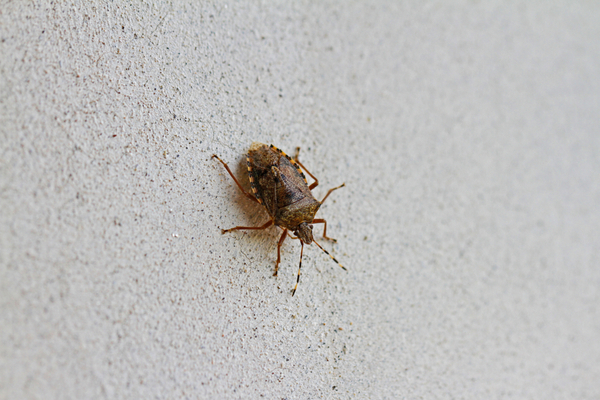
Stink bugs are infuriatingly common in Michigan. Part of the reason why they’ve managed to stick around is that they’re good at staying warm during winter. They do that by sneaking into people’s homes for shelter starting in early fall. Stink bugs congregate around windows and other warm places all fall. While they’re gathered, they find cracks and gaps around frames and siding. They use these gaps to work their way inside.

Inside, stink bugs enter a hibernation-like state called diapause for extended periods of time. While in diapause, the bugs remain completely immobile and don’t need food or water. In order to remain safe while in diapause, the bugs seek out hiding places. The stink bugs in your home may be in your walls, around your rafters, or in other secluded areas. They won’t hurt your home while they’re around, but they may produce their distinctive stink.

cluster flies

Cluster Flies

Cluster flies look a lot like common house flies, but they’re bigger, rounder, and slower. They may make a buzzing noise when they fly around. The name “cluster flies” refers to the flies’ tendency to cluster together in large numbers. Starting in late summer and early fall, they gather in groups to stay warm. As the temperature drops, they make their way into cracks and gaps around siding and awnings. Eventually, these cracks may lead them all the way inside.

Like stink bugs, cluster flies may enter prolonged periods of diapause after entering your home. These flies usually enter your home from high up, so they’re common in attics and rafters. You may find them around window or door frames, or near vents and utility lines. Cluster flies wake up during warm days to move around. They can’t hurt you or damage your property, though they may attract other pests like spiders. Cluster flies usually leave your home in spring.

rodents

Rodents

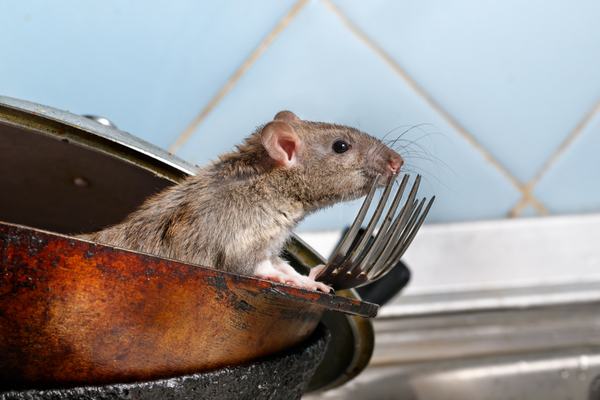
Rats and mice cannot hibernate. To survive winter, they need to find a warm place where they can access food and water. Rodents are very sensitive to temperature and pressure changes in the atmosphere. They begin infiltrating homes as soon as they sense fall approaching. Rats and mice squeeze through small gaps around window and door frames, utility lines, foundation, and siding. They find these gaps by using their acute senses to find drafts and follow the smell of food.

Rodents can’t fly like stink bugs or flies, so they usually end up in your basement. They’re attracted to any source of moisture or food. Rats and mice grind their teeth by chewing on a wide variety of soft materials. They can ruin boxes and fabric, damage furniture, or even cut electrical wires and start fires. Both rats and mice may reproduce indoors if given the chance. If you have a rodent infestation, you should deal with it fast!

boxelder bugs

Boxelder Bugs

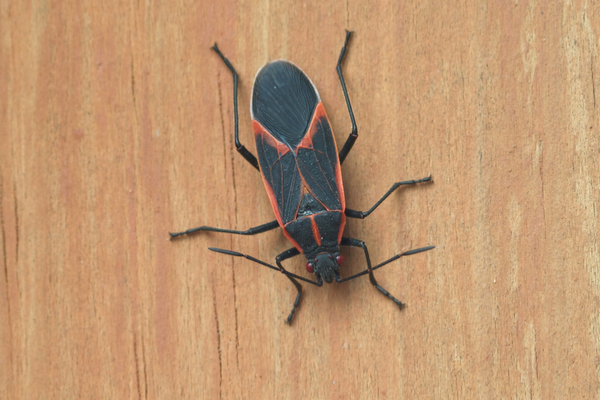
Boxelder bug behavior is quite similar to stink bugs’. Starting in fall, they begin to gather around warm places. They’re particularly attracted to homes with southern and eastern exposure, for the sunlight. As they congregate, they may naturally slip into gaps and cracks around windows and doors. When winter comes, they will move further through the cracks to stay warm, eventually ending up inside. Boxelder bugs have very flat bodies that enable them to squeeze through tiny areas.

Boxelder bugs remain generally inactive during winter. They don’t reproduce inside and they won’t live long enough to survive winter. Boxelder bugs may emerge from their hiding places to sun themselves during warm days. When that happens, you may find them near windows or other warm areas. Boxelder bugs aren’t dangerous, but they may secrete a liquid that could stain surfaces when threatened or crushed. You may encounter more boxelders in early spring, as they begin to leave your home.


The reason why pests want to get inside your home over winter is so they can stay warm. The colder (and longer) the winter, the more desperate these four pests become. Believe it or not, however, you can turn that to your advantage.

Pests don’t have time to waste trying to break into a fortress this winter. If you can pestproof your place, you can keep pests away all season long. We want to help. If you have a pest problem this winter, give Griffin a call any time. We’re always happy to drive pests out of your home, no matter the time of year!

Snow Fleas: the Bugs in the Snow

Bugs in the Snow

Winter is a… divisive season. Chances are you either love it or hate it. Ok, chances are you either hate it or make up reasons to tolerate it (“It helps me appreciate the seasons,” etc.). Even if you’re firmly in camp “hate it”, however, you have to admit winter has its charms. Chief among these charms: you don’t have to worry about bugs! Or… *Pause for dramatic effect*… do you?

Imagine: You’re out walking your dog when you notice a cluster of weird black specs in the snow. You haven’t seen many horror movies, so you bend down to see what they are. Then they start jumping around! Yep, those things you just encountered are called “snow fleas”. Here’s everything you should know about them. It might not make you feel better, but at least you’ll be able to curse winter more accurately.

What Are They?

What are snow fleas?The so-called “snow flea” isn’t actually a flea at all. They’re actually several species of arthropod springtails in the Collembola order. The most commonly encountered snow flea around here is probably Hypogastruna nivicola. There are about 700 species of springtails in North America, and they all share certain key characteristics.
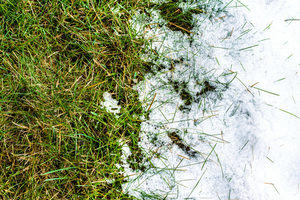
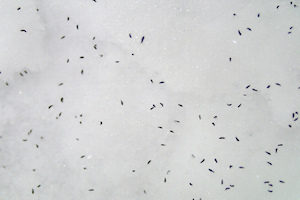
Snow fleas are tiny and very skinny. The ones you encountered were probably only 1 to 2 millimeters long! They’re probably black, dark blue, or dark grey, though they can also be a yellow color. They can’t fly, but they can rapidly leap 3-4 inches using a spring-like body part called a “furcula”. The most upsetting thing about snow fleas is probably how abundant they can be. During winter and early spring, you might spot literally thousands of the tiny arthropods congregating on snow.

How Are They Alive?

Snow fleas are capable of synthesizing an antifreeze-like protein that keeps their bodies from freezing. They automatically begin producing this protein when temperatures dip beneath a certain threshold.

When temperatures warm up, the protein easily breaks down, allowing snow fleas to survive comfortably in all seasons. Other species can produce antifreeze-like substances, but only snow fleas produce one that breaks down easily in warmth. This antifreeze, combined with their easily-satisfied diet, makes it possible for snow fleas to survive winter without much effort. In fact, snow fleas have been called one of the hardiest animals ever!

What Do They Want?

What do snow fleas want?Despite their unusual habits and habitats, snow fleas want what pretty much all pests want. When they come out on warm winter days, they’re looking for food, water, and a chance to mate. Springtails provide an important service to their ecosystems by feeding on microscopic bacteria, algae, and fungi.
Along with food, snow fleas are attracted to moisture. The tiny arthropod is very sensitive to drying out, and requires a consistent source of moisture to survive. Springtails use a tube-like organ called a “collophore” to suck up water from the wet surfaces they crawl over. They may seek out melting snow on warm days to take in moisture. Finally, snow flea mating season is in early spring. When large numbers of snow flea congregate together, it’s usually to produce offspring.

Are They Dangerous?

Not at all. Snow fleas can’t bite or sting, nor can they damage plants, food products, property, or clothing. In fact, springtails like snow flies are some of the many garden arthropods that are considered beneficial.

By feeding on decaying organic matter and the bacteria it produces, snow fleas help garden plants grow in spring. An abundance of snow fleas in your yard can be considered a sign of healthy soil.

What Can I Do About Them?

What can I do about snow fleas?We’re lucky snow fleas are harmless, because there’s not really a good way to control them even if we wanted to. The springtail will never come indoors, so you don’t have to worry about infestations. They’re attracted to moisture and decaying plant life, both of which are difficult to prevent in winter and spring.

Even if you shoveled up all the snow in your yard, wet grass and dead plants would bring snow fleas calling anyway. In fact, springtail species are quite abundant all year. Snow fleas become more noticeable in winter because they come out of cover and stand out against snow. When all the snow melts as spring arrives, you’ll stop seeing snow fleas as frequently. Until then, don’t worry about them–they’re kind of cute anyway. Uh… right?

If you had to choose a bug to deal with in winter, you could do a lot worse than snow fleas. The diminutive arthropods are totally harmless, non-invasive, and content to stay away from you. At worst, all they’ll do is ruin your view of endless expanses of snow. And we don’t know about you, but we’re tired of looking at that anyway.

Even though pests largely take some time off every winter, that doesn’t mean your pest control should. There’s still plenty good year-round pest control can do for you this season. Remember: prevention is always more effective than treatment. If you need some pest prevention (or treatment!) this winter, give Griffin a call anytime. We’re always happy to brave the cold for you.

What Pest Control Can Do For You This Winter

What Pest Control Can Do For You This Winter

Who doesn’t love wintertime? It’s the time of year where you spend more time inside, enjoying time with your loved ones relaxing and staying as cozy as possible. You get holidays and hot cocoa, vacations and vivacity.

For many homeowners, there is another (slightly less common) thing to look forward to: not having to worry about future or ongoing pest problems. While this isn’t entirely untrue, we’re here to caution you: just because it’s cold outside doesn’t mean that you’re free from the dangers of potential pest infestations. Let us lay it out for you…

So, where do insects and other pests go during the wintertime?

There are a few distinct patterns most pests follow during winter: migration, overwintering, hibernation, or (our least favorite) hiding inside, whatever the cost.

  • Most birds, pest birds included, migrate during the wintertime by flying to warmer climes. Migration is great for homeowners because it gets birds out of your hair for a whole season.
  • Many varieties of insect, including honeybees and box elders, go through a process called “overwintering”. Creatures that overwinter essentially halt most of the activity within their nervous system to wait out the winter. This can be problematic, because in many cases, these pests try to overwinter somewhere warm and out of the way… like your garage or attic.
  • Hibernation is something more commonly attributed to mammals than insects but pests like ladybugs, mosquitoes, and paper wasps will hibernate during winter. They either form cocoons to hide within or go into a long term semi-sleep until the weather warms. Just like overwintering, pests can consider the inside of your home a good place to hibernate.
  • Last but not least is “hiding inside, whatever the cost”. Lots of potential pests like this option, including mice, rats, and many variety of cockroach. During the transitionary period between fall and winter, pest problems occur as these pests and more try to get ahead of changing temperatures.

What happens to them when the weather warms up again?

In spring, pests wake up feeling hungry and return to their nearest and dearest source of food. In many cases, this can be your home. This is especially true for creatures like mosquitoes that thrive in moisture-rich climates (melting snow, rain storms, etc).

Birds that previously called your home theirs will migrate back, as well. Long story short, all these potential pests are going to be looking for something, whether it’s a place to hang out, food to eat, or people to bother.

What should I do to protect my home from them?

There are a lot of preventative measures you can take to keep pests from taking up home inside your house during winter. Stay on top of cracks and holes on the outside of your home. Replace any loose mortar or weather stripping you come across. Keep firewood stored far away from your home, so pests don’t see it as an easy way to jump from one warm place to another.

Keep things organized and don’t give any variety of pest an opportunity to hide in the messes that tend to come with holiday frenzy. Make sure your attic, basement, and any crawl spaces are dry and ventilated well to keep things fresh and unappealing to dirty, dust-loving bugs.


Sometimes, even when we make our best effort to keep our home protected and your family safe from pests, they still find a way in. If you’ve done your due diligence and still find yourself facing a problem, don’t worry – just call the experts at Griffin Pest Solutions. We’ll take care of the problem before the spring thaw, guaranteed.

Holiday Humbugs to Watch Out For This Winter

Holiday Humbugs to Watch Out For

The Holidays are a unique time of year. You travel to places you don’t usually visit, do things you don’t usually do, with people you don’t usually see. All this new activity can feel refreshing and exciting, but it can also come with new concerns and stresses.

Yes, there are the obvious Holiday stressors–family fights, obnoxious in-laws, cramped living quarters–but there are less-obvious concerns to keep in mind, too. Chief among them: pests. Believe it or not, even the most wonderful time of year isn’t safe from everyone’s least favorite (well, almost everyone’s least favorite) house guests. Lots of pests take the hustle and bustle of the Holidays as the perfect opportunity to invite themselves over.

Here’s how they do it, and how to keep them out:

Bed Bugs

Holiday bed bugsBed bugs hide in dark, confined places and remain perfectly still for hours on end. These dark, confined spaces aren’t just beds, either. Bed bugs often hide in suitcase, bags, and other common travel gear. If travelers fail to notice the bed bugs when they pack, then the pest can easily spread to each location visited. Your mom brings her own pillow over because yours are “too hard”, and all of a sudden you have bed bugs in your home for the Holidays. Thanks a lot, Karen.

The best way to prevent bed bugs is to carefully inspect stuff moving into and out of your home. Run clothing, sheets, bags, and other cloth items through the dryer (on the highest heat setting) for about 20 minutes before unpacking them. While you’re away, keep your clothing sealed in plastic travel bags when you’re not wearing it. Keep your travel bags closed tight and elevated anytime you’re not going through them.

Moths

holiday mothsThere are two types of common pest moths: pantry-infesting moths and fabric-infesting moths. Unfortunately, both can be a problem during the holiday season. If fabric moths infest cloth decorations, they might be reproducing year-round. When you take your decorations out of storage for the holidays, you unleash them into your home like a tomb raider uncovering an ancient civilization’s curse. Clean all your decorations before you unpack them to save yourself a major headache.
Pantry-infesting moths are a little easier to figure out. These pests love sugary carbs. Holiday baking leads to big holiday baking messes. Big holiday baking messes lead to spilled flour, misplaced sugar, and excess crumbs. Accessible food… leads to moths all-too happy to eat that food. Clean your kitchen and keep your pantry tidy to ensure that Santa is the only home invader eating the cookies you leave out this Holiday season.

Spiders

holiday spidersRemember when we covered how spiders survive winter last month? Well, it turns out Christmas trees are a great place for spiders to build their aforementioned winter shelters. They make their way through pine branches until they find a sturdy spot. Then, they build a casing of webbing for themselves using the branches as support.

When spiders start to feel warm, they make their way out of their shelters to start eating and mating. Imagine a spider’s surprise when burrow out of their webs, only to find they’ve been transported into a person’s home? Inspect your Christmas tree carefully before you bring it inside. Consider using a handheld shopvac to vacuum up any cobwebs hanging near the tree’s trunk. Spiders can build their webs just about anywhere, so be thorough.

Mice

holiday miceUnfortunately, “not a creature was stirring–not even a mouse” is not always true of the night before Christmas. The Holiday season tends to be prime time for rodential raiders. Mice have an extremely powerful sense of smell. Not only can they sense food through tiny cracks in walls, they can sense specific information about that food. If they “smell” food that’s ripe for stealing, you’ll wind up with more house guests than you can handle!
Mice are attracted to food they can steal, moisture they can access when they need it, and warmth. They sneak through small cracks in the wall in pursue of food smells. There are ways to ward them off, however. First, store all your food in airtight containers when you’re not eating it. Next, check your plumbing for leaks mice could use as tiny water fountains. Finally, update weatherproofing, particularly around doors and windows. Mice are tenacious and stubborn, but they’re not Santa Claus; they can’t magically access your home.


Stressful as they can be, the holidays are ultimately supposed to be a joyful, refreshing time of year. Pests are neither joy-inducing nor refreshing, so they’ve got no business bugging you this Holiday season.

If you need some help kick your pests to the curb this winter, give Griffin Pest Solutions a call any time. We may not be Santa, but we can spread a different kind of Holiday cheer. A distinctly more John McClane type of holiday cheer. Now you have no pests. Ho Ho Ho.

Problems Pests Can Make For You This Winter

Only a few of Michigan’s smaller pests can survive the state’s harsh cold, so to escape from it they seek out shelter wherever they can stay warm and comfortable. Often that shelter is someone’s home.

Once inside, pests create the kinds of problems no one wants to deal with, especially when temperatures are so low. Keep a particular eye out for winter pests and the problems they cause… since it could literally pay off.


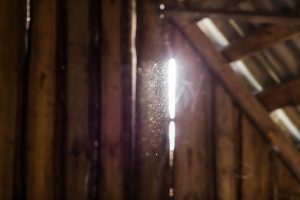
sunlight coming through cracks in wall

Drafts

A lot of pests get into homes by biting or smashing their way through soft or compromised building materials like insulation, rotting wood, or old plaster and caulk. Once inside, they aren’t conscientious enough to seal up the tiny doorway behind them.

The gaps created by pest infiltration may seem small, but they can add up. Gaps in a home’s insulation create a vacuum. Hot air generated by your heater is literally sucked through this vacuum and out of your home at the same time cold air moves in. Pest-created drafts are especially likely in unfinished parts of your home, or if your home was built a long time ago.


Uncovered, rusty pipe valve leaking steam

Leaks

Rodents are attracted to water and gas lines by the smell or moisture given off. Their constant need to teethe means any rodent allowed to get close to and stay by a water or gas line will work away at it constantly with its teeth. Over time, rodents are capable of wearing down even metal pipes, producing leaks and ruptures.

Even the smallest gas leaks are extremely dangerous and should be dealt with immediately. You may be tempted to leave tiny water leaks alone, but you shouldn’t. Water leaks in winter may compromise your pipe system’s ability to keep the water within from freezing. If your pipes freeze, it will bring down your whole plumbing system until an expensive repair can be made. Even if your pipes don’t freeze, even hairline leaks like the ones created by pests can waste a lot of water and money.


Sick-looking woman wrapped up in red blanket and holding yellow cup

Sickness

Pests are dirty. When pests get into your home, they drag their dirt and grime along with them. Rats, fleas, and ticks can also transmit diseases to humans via their skin, fur, dropping, saliva, or blood. Most pests also generate a lot of… waste, which soils anything it comes in contact with, especially clothing, blankets, and pillows.

Keeping a home clean when your family spends a lot of time indoors is enough of a hassle, and getting sick in the winter is the worst. There’s also a simple psychological component to keeping pests out that shouldn’t be underestimated: seeing a rat in your basement or swatting at flies around your garbage is just demoralizing, especially when the weather is so bleak.


Piggy bank sitting on several bills of cash, balanced on radiator

Power Costs

You may have already noticed, but leaks and drafts add up to higher power costs. Small leaks in your plumbing waste water and money. Even drafts you can’t feel suck hot air out and make your heating work harder, which wastes power and money. More serious problems could necessitate expensive repairs.

It’s a good idea to monitor your heating and water bills especially closely in the winter. You’ll naturally see a hike in your heating bill, but if something seems off about the amount you’re paying, follow your instincts. Look for places where water, heat, and money could be leaking away.


Pest infestations in the winter time can be really bad news. Now for the good news: you aren’t on your own. No matter how significant or minor your particular pest problem, call Griffin and we’ll take care of it right away. Stay warm this winter, and remember: spring is just around the corner!