
Noticing more spiders around Michigan this fall? There’s a reason for that. Cooler temperatures and shorter days trigger changes in their behavior. As they search for warmth and food, spiders become more active in open areas, making them easier to see. Some may even wander indoors, drawn by the scent of potential prey. It might seem like their numbers are growing, but in reality, the population begins to drop as the weather turns colder.
Changing weather drives spiders to move inside for shelter, causing an increase in indoor activity. Let Griffin Pest Solutions step in with proven services to stop them before they take over your space.
Insights Into Fall Spider Sightings
With the onset of autumn and cooler weather, spiders become more visible indoors. It might seem like their numbers are rising, but that’s not the case. Here’s what’s happening every fall:
- Easy Entry Points: Cracks, gaps, and small openings around your home give spiders an easy way inside. Once indoors seeking warmth, they become much more noticeable.
- More Visible Spiders: The overall number of spiders doesn’t actually rise, but they are easier to spot in the fall. Their larger size and indoor activity make them stand out compared to other seasons.
- Seeking Shelter: As temperatures drop, spiders naturally move indoors to escape the cold. With people spending more time inside during fall, encounters become more frequent.
- Fewer Spiders Overall: Even though you may see more spiders, the total population actually declines in the fall. Cooler weather and limited food sources cause many to die off before winter.
What Causes Spiders to Be More Visible in Fall
Even though spider activity remains steady throughout the seasons, fall makes them stand out more. Here’s what causes that:
- Spring: Small and Hard to Spot: In spring, newly hatched spiders are small and easy to overlook, even though they’re active and starting to build their territories.
- Summer: Plenty of Food: Warm weather brings an abundance of insects, allowing spiders to hunt close to home and build strong, effective webs with minimal effort.
- Autumn: Moving Indoors: As temperatures drop, many spiders head indoors to find warmth and protection, making them much easier to see as they explore new hiding spots.
- Fall and Winter: Larger Spiders Stand Out: The bigger spiders that survive into the cooler months are naturally more noticeable, often seen moving around in search of food or shelter.
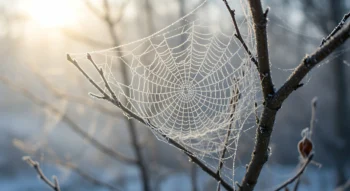
- Web Hunters: Bigger, More Noticeable Webs: When insect activity decreases in fall and winter, web-building spiders create larger, more visible webs to improve their chances of catching prey.
How Spiders Cope with Fall’s Dropping Temperatures
As temperatures drop in fall, spiders face serious survival obstacles, along with the insects they depend on. Many succumb to the cold, while others must quickly adapt. The scarcity of prey and harsher weather push them to find shelter and alter their behaviors to survive.
Some spiders use “cold hardening,” a natural adaptation that helps them tolerate colder temperatures. Still, they often look for protection in leaf piles, under tree bark, or in dense vegetation, and a warm house can be particularly tempting.
Spiders respond differently depending on their species. Some lay eggs in the fall, while others wait until spring. Exposed eggs are vulnerable to freezing, but spiderlings inside egg sacs are generally well-protected until warmer weather returns.
The Most Common Spiders Around Homes in Fall
Cooler fall weather drives spiders to find shelter, increasing their visibility inside homes and yards. Here’s a look at the spiders you’re most likely to notice this fall season:
How to Keep Spiders Out This Fall
Spiders can enter through small cracks and gaps around your home. Sealing these openings and reducing clutter nearby is the best way to keep them out. Try these tips to discourage spiders from moving in:
- Doors and Gaps: Ensure doors are properly fitted and use door sweeps to close gaps that spiders could use to enter your home.
- Windows and Screens: Repair or seal any holes in windows and storm door screens to block spiders from getting inside.
- Cleaning: Regularly dust and vacuum corners, ceilings, and other surfaces to remove cobwebs and make your home less inviting to spiders.
- Declutter: Keep your home and yard organized by removing clutter, which can serve as hiding spots for spiders.
- Landscaping: Trim shrubs, bushes, and other vegetation near your home to reduce areas where spiders can hide and build webs.
- Professional Help: Partner with a skilled spider exterminator who can detect infestations, provide targeted treatments, and help prevent spiders from returning.
Do Spiders Act More Aggressively in Fall and Winter?
Contrary to popular belief, spiders don’t get more aggressive during the fall or winter. Their behavior mainly changes as they move to sheltered areas, including indoors, where you might see them in corners, under boxes, or near sinks. Bites are uncommon and usually only occur if a spider feels threatened.
Outdoors, spiders slow down and retreat to safe locations. They might appear during mild winter days, but they are largely hidden and far less active than in warmer seasons. Even when outside, spiders are preoccupied with finding food or shelter, not with humans.
Professional Spider Solutions with Griffin Pest Solutions
From amazing webs to unique hunting strategies, spiders are full of surprises. That said, finding them indoors can make anyone uneasy. Even a single spider can signal conditions that allow more to enter and settle. Certain factors in Michigan increase the likelihood of indoor sightings. Griffin Pest Solutions provides expert treatments to manage spiders and keep them away for good.
Contact Griffin Pest Solutions for quick and efficient spider control handled by experienced professionals.