Why’d It Have to Be Snakes?

why did it have to be snakes?

Keeping Snakes Away

With our long winters, sweltering summers, and wild weather changes, you’d think we wouldn’t have to worry about snakes in Michigan too. It’s definitely too cold up here, right…?

Wrong! Turns out there are 18 species of snakes native to Michigan. They can thrive here just as easily as they can farther south, they just have to get a little creative to keep warm during winter. This means either hibernating in a nest called a “hibernaculum” or sneaking into a cozy house. Don’t worry, most of them are harmless and we’ll teach you how to keep snakes away from your home and yard.

.
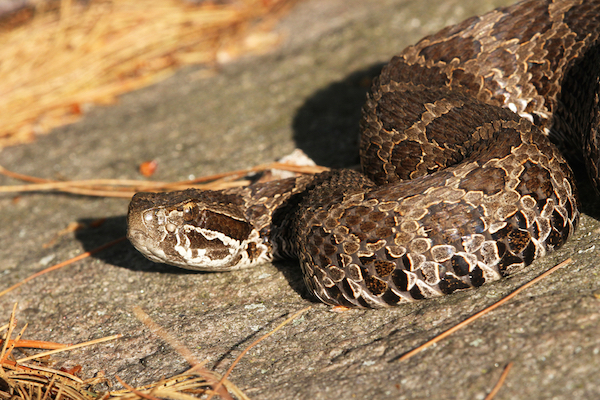
eastern massasauga rattlesnake

Where Did They Come From?

Of the 18 types of Michigan snakes, only one of them – the Eastern Massasauga – is venomous. Lucky for you, these snakes are shy and rarely seen. They’re also listed as a threatened species. If you are bitten by a Michigan rattlesnake, seek medical attention immediately.

Snakes are considerably more common in the lower peninsula than the upper. They prefer the south’s wetlands, swamps, and marshes which are more akin to their ideal habitats. Away from this terrain they adapt by finding safe, quiet, secluded areas to dwell. Often under a porch or in an overgrown yard.

Snakes manage their body heat very carefully. Even though they need sunlight to keep warm and active, too much will dry them out and they’ll die. That means they need an environment with a lot of shade, vegetation, humidity, and places to cool off. Wet places like swamps provide this plus an abundance of prey. If you live near a prime habitat like a marsh or a brackish lake you may end up seeing more snakes in your neighborhood.
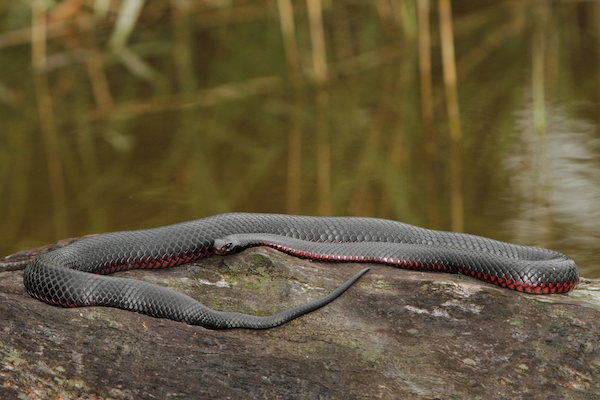
red belly snake

Why Are There Snakes in My Home?

It’s all about shelter. You’ll probably start seeing snakes starting in late summer, when they get serious about finding a place to stay over the winter. The environment where snakes build their hibernaculum needs be dark, warm, enclosed, hidden, and underground. Chances are that your home’s crawl space, basement, foundation, or walls check off all these boxes.

Snake infestation may be a sign that you’re hosting other pests, too. As predators, they’ll often chase prey into a home. After they move in, they’ll make themselves comfortable in the tightest, darkest, warmest, and most hidden area they can find. If you suspect you have snakes, they’re probably under floorboards or basement furniture, in tight corners, or in damaged insulation. If you’re going to look for them, be careful! Snakes are afraid of humans and may lash out if cornered.

foundation cracks that might let snakes in

How Did They Get In?

Finally, a little good news. Snakes have more limited home-infiltration options than most pests. They can’t fly, and they’re not particularly adept climbers. Unlike rodents or other burrowing pests, they can’t chew or dig their way in, either. If snakes got into your home, they got in from the ground. Most likely, they found a small crack in the foundation or the baseboard.

Snakes can twist and contort themselves into small spaces. Even a tiny gap between a low window and its frame can be an access-avenue. Cracking molding, baseboard, or even improperly seated doors may be vulnerable if snakes can slip underneath them. Unfortunately, it’s also possible that the snakes in your home were simply born there. If adults can reproduce in and around your home, they will.

How to Keep Rattlesnakes (and other common Michigan snakes) Away

The best way to keep any kind of snake out of your home is to deprive them of the things they want – food, shelter, warmth, and shade. Start outside your home. To get rid of snakes in your yard, look for sources of cover and food.
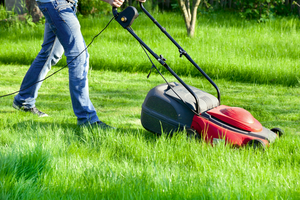
  • Mow overgrown grass.
  • Trim bushes and other vegetation.
  • Remove any leaves and brush.
  • Harvest ripe or fallen fruit.
  • Keep birdseed in feeders and not on the ground.

If snakes can lounge around in the shade on your lawn undisturbed, they’re more likely to stick around. Spoiled birds and rodents might be easy snake prey. Limit the amount of food you’re leaving out to attract them.

Once you’ve completed your lawn maintenance, walk the perimeter of your home. Look for gaps and cracks in the foundation where a skinny squatter might slither in.
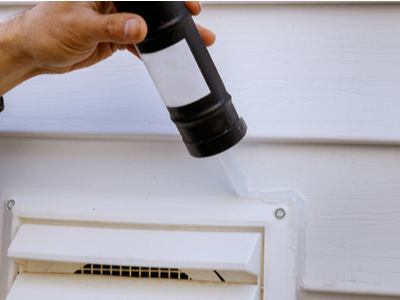
  • Seal around utility lines, windows and doors.
  • Repair screens.
  • Fence beneath decks and porches.
  • Clean basements and other cluttered areas.
  • Remove house pests like mice.

Outside, make sure your home is secure. Inside, get organized – dust, vacuum and remove clutter. Snakes thrive in cluttered environments with plenty of hiding places. Take those hiding places away. Also take away any potential food sources snakes might find in your home.

Snake Control and Removal for Michigan, Indiana and Ohio

Following these steps will help snake-proof your home long term, but they may not do much to the snakes that are already around. We don’t recommend trying to take any freeloading snakes out on your own.

Griffin has the experienced pest control experts and knowhow to handle any and all of Michigan’s native snakes including rat snakes and garden snakes. If you have a snake problem–or any other pest problem, for that matter–let us know. We’ve got your back (and your ankles).

What are House Centipedes?

House centipede running across hardwood floor in someone's home

House centipedes (Scutigera coleoptrata) are rather unique centipedes. For one thing, they don’t really look like what you picture when you think of a centipede. They look… creepier. More importantly, unlike almost all other centipedes, they can live in your house (hence the name). If you see a centipede in your house, it’s almost certainly a house centipede.

Like most pests, the scariest things about these centipedes are the things you don’t know. If you don’t know what you’re looking at, they look like your worst nightmare. They’re all legs, fangs, and antennae, and they’re fast. Learning about centipedes probably won’t mean you’re not afraid of them at all, but it’ll certainly help. At the very least, you’ll know what that freaky thing you saw darting around your bathroom was. 

Take away a house centipede’s sources of food, shelter, and moisture, and you’ll take away their reason for entering your home. If you want some help removing centipedes from your home, get in touch with Griffin Pest Solutions. We’re always ready to help remove creepy crawlies and keep them from getting in again. Never worry about house centipedes again; just give us a call instead!

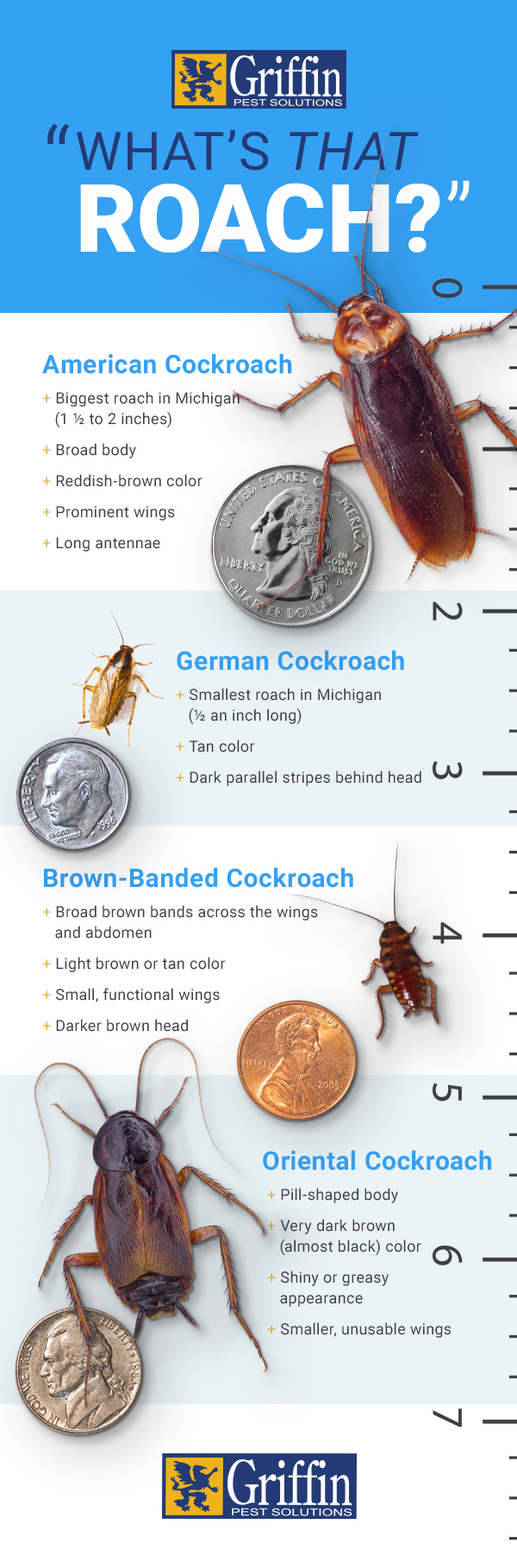
What’s That Roach? [INFOGRAPHIC]

Roach close-up

Did you know that there are four different species of cockroach common in Michigan? Each of these four cockroaches look and act just a little differently. They’re active at slightly different times, want slightly different things, and live in slightly different places. Despite their differences, however, one thing they all have in common is being a pain for homeowners.

We know what you’re thinking: who cares? A roach is a roach, right? No matter what species it is, it’s not like you’ll want a cockroach in your home! While you’re certainly right about that, there’s still a good reason to be able to tell different roaches apart. If you know which roach you have, you’ll have a better idea on how to get rid of them. We want to help, which is why we put together this quick reference for which kind of roach you might have. Next time you see a gross bug creeping around, take a look at it and consult this infographic:

So: once you’ve identified your roach, what’s your next step? First, you can take some steps to prevent that specific roach. Once you know what it is, you’ll know what it wants and probably how it got in. Plug up their access point and deprive them of their needs, and you’ll go a long way toward solving your problem.

You could also always tell the experts at Griffin about which roach pests are plaguing you. Once we know which roach you have, then we’ll know exactly how to go about taking care of it. You’ll have helped us do our job, and we’ll be able to protect you all the more effectively! Don’t let your roach problem trouble you anymore. Instead, just give us a call today. No matter which roach you have, we’ll make sure they’re gone and can’t get in again.

Winter Invaders to Watch Out For

Mouse in snow

You could call this time of year in Michigan “the dead of winter.” It certainly often feels that way, especially on one of its many dark, dreary days. Despite how it may look and feel outside, however, not everything really is dead. As you probably know, pests are nothing if not tenacious.

No matter how cold or dead the winter, pests will muddle on long enough to bother you. It would almost be inspirational, if it weren’t so annoying. Here are four pests that are probably trying to warm themselves up inside your home right now.

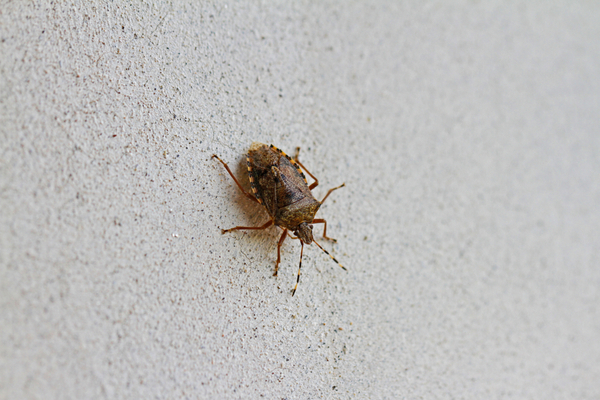
stink bugs

Stink Bugs

Stink bugs are infuriatingly common in Michigan. Part of the reason why they’ve managed to stick around is that they’re good at staying warm during winter. They do that by sneaking into people’s homes for shelter starting in early fall. Stink bugs congregate around windows and other warm places all fall. While they’re gathered, they find cracks and gaps around frames and siding. They use these gaps to work their way inside.

Inside, stink bugs enter a hibernation-like state called diapause for extended periods of time. While in diapause, the bugs remain completely immobile and don’t need food or water. In order to remain safe while in diapause, the bugs seek out hiding places. The stink bugs in your home may be in your walls, around your rafters, or in other secluded areas. They won’t hurt your home while they’re around, but they may produce their distinctive stink.

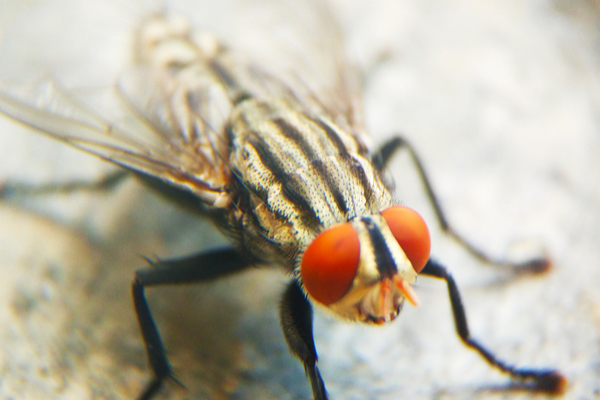
cluster flies

Cluster Flies

Cluster flies look a lot like common house flies, but they’re bigger, rounder, and slower. They may make a buzzing noise when they fly around. The name “cluster flies” refers to the flies’ tendency to cluster together in large numbers. Starting in late summer and early fall, they gather in groups to stay warm. As the temperature drops, they make their way into cracks and gaps around siding and awnings. Eventually, these cracks may lead them all the way inside.

Like stink bugs, cluster flies may enter prolonged periods of diapause after entering your home. These flies usually enter your home from high up, so they’re common in attics and rafters. You may find them around window or door frames, or near vents and utility lines. Cluster flies wake up during warm days to move around. They can’t hurt you or damage your property, though they may attract other pests like spiders. Cluster flies usually leave your home in spring.

rodents

Rodents

Rats and mice cannot hibernate. To survive winter, they need to find a warm place where they can access food and water. Rodents are very sensitive to temperature and pressure changes in the atmosphere. They begin infiltrating homes as soon as they sense fall approaching. Rats and mice squeeze through small gaps around window and door frames, utility lines, foundation, and siding. They find these gaps by using their acute senses to find drafts and follow the smell of food.

Rodents can’t fly like stink bugs or flies, so they usually end up in your basement. They’re attracted to any source of moisture or food. Rats and mice grind their teeth by chewing on a wide variety of soft materials. They can ruin boxes and fabric, damage furniture, or even cut electrical wires and start fires. Both rats and mice may reproduce indoors if given the chance. If you have a rodent infestation, you should deal with it fast!

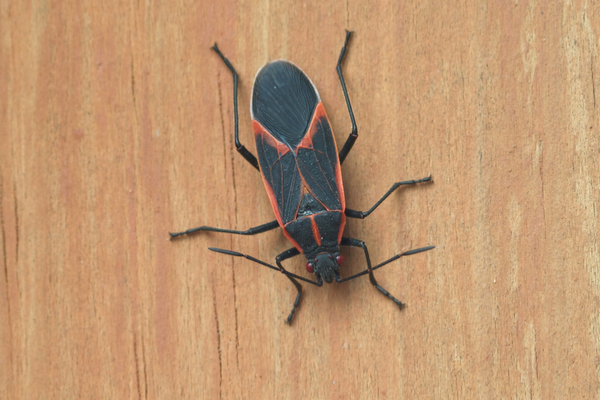
boxelder bugs

Boxelder Bugs

Boxelder bug behavior is quite similar to stink bugs’. Starting in fall, they begin to gather around warm places. They’re particularly attracted to homes with southern and eastern exposure, for the sunlight. As they congregate, they may naturally slip into gaps and cracks around windows and doors. When winter comes, they will move further through the cracks to stay warm, eventually ending up inside. Boxelder bugs have very flat bodies that enable them to squeeze through tiny areas.

Boxelder bugs remain generally inactive during winter. They don’t reproduce inside and they won’t live long enough to survive winter. Boxelder bugs may emerge from their hiding places to sun themselves during warm days. When that happens, you may find them near windows or other warm areas. Boxelder bugs aren’t dangerous, but they may secrete a liquid that could stain surfaces when threatened or crushed. You may encounter more boxelders in early spring, as they begin to leave your home.


The reason why pests want to get inside your home over winter is so they can stay warm. The colder (and longer) the winter, the more desperate these four pests become. Believe it or not, however, you can turn that to your advantage.

Pests don’t have time to waste trying to break into a fortress this winter. If you can pestproof your place, you can keep pests away all season long. We want to help. If you have a pest problem this winter, give Griffin a call any time. We’re always happy to drive pests out of your home, no matter the time of year!

4 Fall Projects for Keeping Boxelder Bugs Away

Swarm of boxelder bugs on wood

Fall is prime time for boxelder bugs, as they try to sneak into your home to escape the winter. Every year, they show up in literal droves, congregating on warm surfaces and sneaking through tiny gaps. Unfortunately, their prevalence, tiny size, and flat bodies make boxelders a particularly common indoor infiltrator. Fortunately, they’re not nearly as difficult to keep out if you know how.

Boxelders use the same old tricks to get inside homes every year. They rely on worn-out defenses, tiny gaps, and neglected weatherproofing. If you can brush up on your home’s anti-pest defenses this fall, you’ll deprive boxelders of these tired tricks. Here are four easy projects that will seriously help keep boxelders–and other pests!–away this fall.

Install Door Sweeps

A door sweep is a long strip of rubber or plastic that’s attached to a thin metal plank. Door sweeps essentially block the small gap between a door and its threshold without impeding the door’s function. When you shut the door, the long strip pushes into the threshold gap. As you open the door, you push the strip away from the gap. Installing door sweeps helps keep doors energy efficient. They also help with pests like boxelders.

Boxelder bugs are surprisingly flat insects. They can fit through or (in this case) under smaller gaps than you’d expect. Often, boxelders squeeze beneath the threshold of exterior doors to get into your home. Installing door sweeps on exterior doors is a particularly easy way to prevent that. All you have to do is measure the width of each door and buy sweeps in corresponding sizes. Installing your sweeps is easy too; all you’ll need is a drill and the sweep’s instructions.

Weatherstripping

Replace Weatherstripping

Weatherstripping is material (rubber, plastic, vinyl, tape, etc.) used to seal gaps between windows or doors and their frames. All of your home’s window and door frames probably have it, even if you don’t know it’s there. Weatherstripping compresses when the window or door closes, sealing off the gap between the moving parts and the frames. If it’s working correctly, weatherstripping completely seals the window or door when closed, leaving no gap whatsoever.

Over time, weatherstripping naturally wears away. Weather and cold beat it down, and opening and shutting doors can damage it. When weatherstripping wears out, it can no longer create a perfect seal around windows or doors. Boxelders can use openings between weatherstripping and frames to get inside. Check on the weatherstripping around your doors and windows. If it comes off easily or looks worn, replace it. Sealing your window and door frames is one of the best ways you can keep all pests out.

Seal Off Utility Lines

By utility lines, we mean plumbing pipes, gas lines, electrical wiring–any infrastructure that enters your home from outside. There are small openings all around your home where these important utility lines enter it. Unfortunately, sometimes those openings aren’t small enough. Often, pests like boxelder bugs will follow a pipe or electrical wire straight through these small gaps. From there, they could end up in the walls, the insulation, or even in your basement or attic.

It’s a good idea to know where all of your utilities enter your home. Look for plumbing, electrical, heating and cooling, and gas lines both inside and outside. If the gap between a pipe or wire and the wall looks too wide, it is. Remember: boxelders can fit through the tiniest gaps you can see. Use some heavy-duty caulk to seal up gaps around your utility lines. Rodents and other pests love following pipes inside, too, so you’ll be pest-proofing for more than just boxelders.

Garage door seal

Replace the Garage Door Seal

A garage door seal is basically weatherstripping for your garage door. The seals are long strips of (usually) rubber that fit across the entire underside of the door. When you close the garage door, they compress into the ground, forming a complete seal between the door and ground. There are also seals on the sides and top of most garage doors. When it’s working correctly, garage door seals prevent pests from sliding beneath the door and into your garage.

Garage door seals wear out about as quickly as other weatherstripping, and for the same reasons. Luckily, they’re also about as easy to replace. If you have your garage door’s instruction manual, look up info on the seal inside of it. If you don’t, just measure the length and width of your door. You can install garage door seals yourself, or have a professional garage door installer put it on for you.

It’s tough to keep from seeing boxelder bugs this fall. If there’s an acer tree near your property, it’s hard not to see them everywhere. Just because they’re everywhere doesn’t mean they have to be in your home, however. By performing a little maintenance like the projects listed here, you can keep boxelders out this fall and beyond.

If it turns out you need a little help keeping boxelders at bay this fall, give Griffin a call. We can make sure boxelders–or any other pests, for that matter–don’t bug you this fall.

The 4 Worst Pest Infestations You Can Have

Cluster of wasps gathered on a wasp nest - Keep wasps away from your home with Griffin Pest Solutions

All pest infestations are bad. If you have pests, you should get rid of them as quickly and thoroughly as possible. Period. Just because all pest infestations are bad, however, does not mean all pest infestations are equally bad. There are some pests that are inconvenient, while there are others that are… far, far worse. Maybe not “pack your bags and move away” worse, but… close…

These are four of those kinds of infestation. We’re not talking most damaging or most immediately destructive, though there’s some overlap. We’re simply talking about the pests you least want in your home. These are the pests that will keep you up at night–sometimes literally! Give Griffin a call right away if you think you have…

Termites

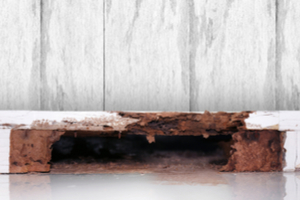
termites inflict billions of dollars of damage in structural damage in the US every yearThere’s one, very clear reason why you never want termites: they’re the most destructive wood pest in the US. Termite colonies eat and bore through wood, creating cavities that compromise wood’s structural integrity. Every year, termites cause billions of dollars of structural damage. Sometimes, termites can inflict wood damage so significant that it can seriously compromise a home’s safety. Unfortunately, termite infestations are common all over Michigan’s lower peninsula, even in cities.
Termites infest homes by working their way into wood from the outside in. They’ll start by accessing moist, damaged, or low-lying wood. As the colony expands, they’ll chew their way deeper into a home’s structure, damaging it as they go. Termites often access wood by building “mud tubes” between wood and the ground. Look for these mud tubes to find where termites may have accessed your home. Deprive termites easy access to wood as much as possible. Termite-proofing your home will always pay off in the long run!

Wasps

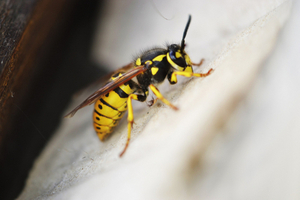
Wasps are dangerous and frustrating when they build wasp nests near people's homesNo common neighborhood pest inspires terror quite like the wasp. It’s not difficult to understand why. Virtually everyone has a wasp sting horror story. The insects are notoriously territorial, aggressive, and unafraid to sting. Wasps are at their most frustrating and dangerous when they build nests near homes. When a wasp nest is right outside your door, it’s all-too-easy to seem threatening to its defenders. Wasps are especially prone to attack people during and after breeding season.
Wasps choose where they build their nests for several reasons. First, they look for places where their nest will be safe from threats. They often build into existing shelters or cover, such as eaves, gutters, house corners, or chimneys. Wasps build nests out of wood fiber, which they collect from damaged wood. If there’s easily accessible weathered wood near your home, wasps could use it to build their nests. Finally, wasps like living near other insects, so they always have a good source of food.


Pantry pests

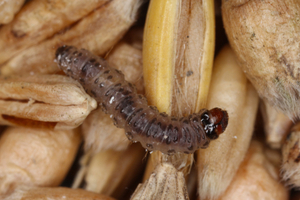
pantry moths lay eggs that hatch into larvae inside pantry food like pasta and cerealThere are several kinds of pest that love to infest pantries. The worst thing about these pests is that, contrary to popular belief, they’re not just eating your food. They’re often also laying eggs in it. Yeah, that’s no good. Moths, beetles, and weevils all lay eggs directly inside stored food products. These offspring are often the pests doing most of the actual eating. In fact, most adult pantry moths can’t eat at all!
Pantry pests are attracted to easily accessible food, especially when it’s stored in dark, quiet places. They infest a wide variety of dry products, including bread, cereals, pasta, flour, nuts, dry fruits, and more. Basically, if you keep it in your pantry, they want it. Some pantry pests make their way into your home from outside, but more often, you’ll accidentally bring them in yourself! Pantry pests hide in or latch onto other food containers. When you place those containers in your pantry, you inadvertently give pests access to all your other food.

Bed bugs

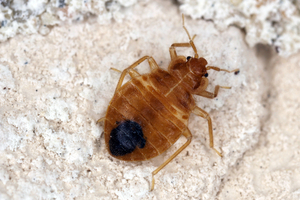
few pests are as upsetting as bed bugsSure, bed bugs aren’t as damaging or dangerous as any of the other pests on this list. But what if you had to choose one of these four infestations? We’re betting you’d choose any of the aforementioned pests before you subjected yourself to bed bugs. We don’t blame you! Bed bugs are probably the most upsetting common pest infestation in the US. And they are common, too–even here in Michigan.

Like with pantry pests, most bed bug infestations begin when a homeowner inadvertently brings them inside themselves. Bed bugs infiltrate homes by sneaking in on packages and bags. They hide out in dark, inaccessible areas and wait until night to move. Once they’ve found a more permanent hiding place near a food source (that’s you!), they start reproducing. There are all kinds of ways to keep bed bugs out, but they all come down to diligence. Keep a close eye on what you’re bringing indoors, especially if you’ve been traveling.


Probably the worst thing about pest infestations is what they can do to you. No one wants to feel like they’re uncomfortable or unhappy in their own home. Pest infestations never go away on their own and they never stop being annoying. If you’ve got a pest problem, it’s always worth it to seek help fast.

Luckily, you’ve got help right here. Griffin Pest Solutions is always ready to help you reclaim your home. No matter the severity of your infestation, we have everything it takes to wipe it out completely. Don’t let pests take your home from you; call today!