

Having a bird feeder can be a lot of fun, especially if you’re a bird lover. After installing a feeder, you’ll probably start seeing birds you never could have glimpsed otherwise. With any luck, you could transform your yard into a miniature bird sanctuary and ecosystem.
Unfortunately, however, bird feeders often help create other kinds of ecosystems, too. Pest ecosystems. Pests aren’t picky; just because it’s called “birdseed” doesn’t mean they won’t help themselves to it. Part of owning a bird feeder is figuring out how to keep pests away from it. Here are a couple of good ways to do that.
Clean up after the feeder
Most ground-feeding pests like rodents and insects don’t actually climb up onto the feeder to eat. Instead, they wait for birdseed to fall from the feeder onto the ground, and simply snack on that! It’s an easy, constant food source for pests, and they’ll take advantage constantly.
One of the best ways to keep pests away from your feeder is simply to pick up after it. Clean up any fallen birdseed from beneath the feeder as often as possible. The less birdseed falls to the ground, the fewer pests will be able to use it for food.
Isolate the feeder
Pests feel more comfortable approaching food sources when they have cover to hide behind and sneak around in. Rodents and insects approach bird feeders when the terrain around the feeder is overgrown and shady. Long grass, weeds, bushes and shrubs, fallen leaves, and other assorted clutter all help pests move around.
Make sure the space around your bird feeder is as clear and open as possible. Place it out in the open, trim the grass around it, and keep it far away from your home. If pests feel uncomfortable around your feeder, they’re less likely to rely on it.
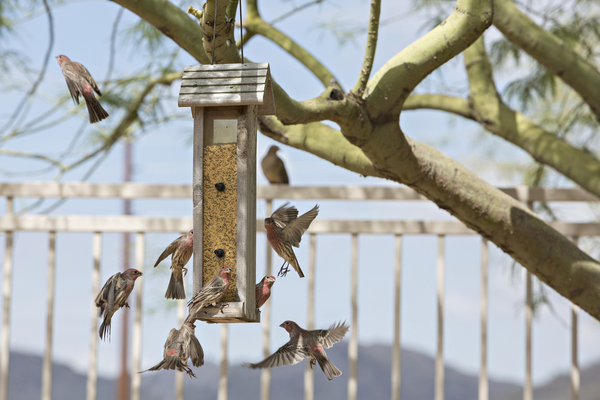
Secure the feeder
Bird feeders often spill seed when birds, weather, or even pests knock them around. After bird seed spills onto the ground, it’s easy pickings for opportunistic pests. Most bird feeders tend to dangle from trees pretty freely or stand on their own.
However, you set up your bird feeder, it may be surprisingly easy to wiggle around or even knock over. Try taking extra steps to secure your feeder. Test it by trying to jostle or smack it around yourself. Ultimately, you’re trying to make sure no animal could shake loose birdseed, no matter what they try.
Fix the feeder
You might be surprised how often bird feeders break without their owners knowing. You leave your bird feeder outside for long periods of time. Wind, weather, birds, and pests take their toll over time.
Unfortunately, when bird feeders break, they usually break in ways that are convenient for pests. Either they’re easier to access or they start spilling bird seed onto the ground! Check on your feeder every couple of weeks to make sure it’s not broken. If you notice any damage, bring it inside until you can repair it. Don’t feel guilty; broken feeders are bad for birds, too.
Get Started Today With Griffin!
Use bafflers
“Bafflers” are bowl-like devices installed on the bottom of feeders to keep pests away. They won’t work on flying animals (by design), but they make climbing the feeder far more difficult. A bafflers is basically an upside-down bowl that prevents pests like squirrels from climbing up to access the feeder itself.
You can buy bafflers at most hardware stores or make them yourself. Sometimes they’re very effective, sometimes… they’re not. Bafflers can’t be the single solution to all your feeder problems, but they can be part of your solution.
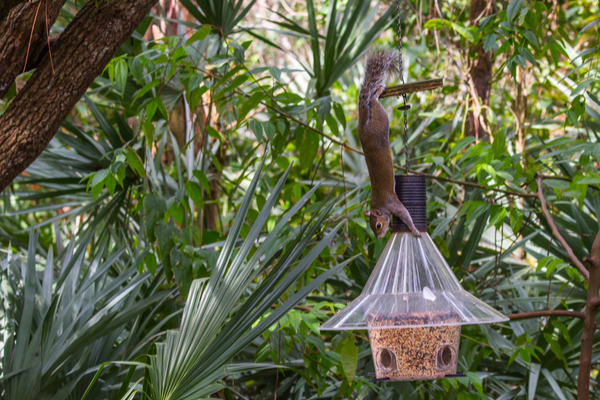
Bring in the feeder
This is the obvious sort-of solution we all tend to forget. Most pests–especially the BIG pests, like skunks and opossums–come out at night. When they come out, they’re hungry. Nocturnal foraging pests think they hit the jackpot when they find your bird feeder. If they can knock out some seeds they can feast all night.
Luckily, you can prevent this in the simplest way possible: just bring in the feeder at night! It’s not like birds are flocking in to feed overnight, anyway. If the feeder isn’t outside at night, then nocturnal pests won’t be able to use it. It’s just that simple.
Unfortunately, you can’t simply put out your birdfeeder and fill it up every now and then. At least, you can’t if you want to avoid pests. By following these pest-proofing steps, however, you’ll ensure that birds are the only wildlife eating from your feeder.
If your pest problems seem a little too significant to solve by pest-proofing your feeder, give Griffin a call. We’ll figure out why pests won’t leave you alone and make sure they do. Enjoy the birds!

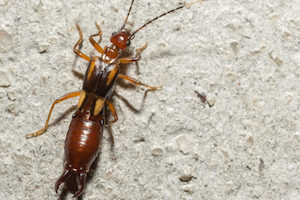 We’ll grant you:
 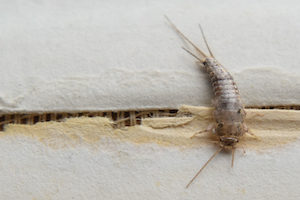 Silverfish are those tiny, silver-grey insects that really look more like shrimp than fish or bugs. Their long, thin bodies wiggle back and forth when they crawl, making it look like they’re swimming. “Silver” because of the color. “Fish” because of what they look like. Like earwigs, silverfish love moisture. They’re also attracted to warm and dark places where they can move around without being bothered. Silverfish are nocturnal, so chances are you’ll only see them at night.
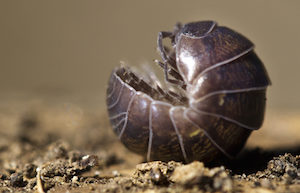 Pillbugs are very small, black bugs that are about as wide as they are long. Their backs are made up of seven overlapping, segmented plates that look hard and shiny, like a beetle’s shell. Pillbugs roll into a ball to protect themselves when threatened. These “bugs” (they’re
 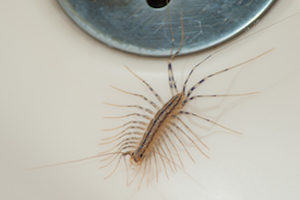 If basement pests are monsters, then you probably think of this guy as the “big bad”. House centipedes are inch long, tan-yellow bugs with very long longs. Those legs enable the bug to move


