
Flooding during the rainy season brings more than property damage. Rising waters drive rats, cockroaches, flies, and mosquitoes into homes, where they spread bacteria and viruses while reproducing quickly in hidden areas. Infestations can spiral out of control if not addressed, making preventive action essential.
When their natural habitats are destroyed, pests turn to households for food and shelter. This leads to contaminated surfaces, painful bites, and health risks for families. Standing water and debris make the situation worse, but early cleanup and intervention can keep these dangers from escalating.
Learn how to safeguard your home from post-flood pest infestations with tips from Griffin Pest Solutions.
The Connection Between Flooding and Pest Problems
The rainy season often brings flooding, and with it, pests looking for shelter. Cockroaches, flies, mosquitoes, and rodents spread bacteria and viruses as they breed in hidden spaces. Infestations grow quickly if ignored, becoming both a health hazard and a major nuisance. Staying proactive helps prevent pests from gaining a foothold in your home.
When the outdoors no longer provides safety, pests seek human spaces for food and protection. This leads to contaminated areas, health concerns, and a rapid spread of disease. Moisture and debris left behind by floods create ideal conditions for them to thrive. Quick cleanup and prevention steps can keep these dangers from escalating.
Get Started Today With Griffin!
The Most Common Pests After Flood Damage
Floodwaters displace pests, pushing them to find refuge inside human dwellings. Their search for food and safety often brings them into kitchens, basements, and attics. Among the pests that appear most often after floods are:
Mosquitoes
After flooding, pooled water in tires, containers, and low areas provides everything mosquitoes need to breed. Eggs laid in floodwater can hatch quickly, creating swarms in a short time. Acting fast to remove or treat standing water helps prevent outbreaks.
The threat goes beyond itchy bites, as mosquitoes are known carriers of diseases like dengue, chikungunya, and malaria. Even without illness, their bites can cause irritation and allergic responses. Keeping them away from your home is an important step in safeguarding your household.
Cockroaches
Flooded sewers often drive cockroaches into homes as they search for safe shelter. These resilient pests slip easily through drains and cracks, and their ability to survive underwater makes them difficult to control. Acting quickly is the best way to stop infestations before they spread.
Once indoors, cockroaches contaminate food and surfaces with harmful bacteria and droppings. Their presence worsens hygiene conditions and raises the risk of foodborne diseases. For children, the danger is even greater, as exposure can trigger allergies and asthma attacks.
Flies
Floodwaters often leave behind waste, spoiled food, and decaying materials that attract flies. These pests multiply rapidly in damp conditions, turning small problems into large swarms within days. Swift cleanup reduces the risk of uncontrolled outbreaks.
Flies are more than a nuisance! They carry dangerous bacteria as they move from filth to your home. Food and surfaces quickly become contaminated, raising the risk of food poisoning and gastrointestinal illness. Consistent sanitation is key to reducing these health hazards.
Rats
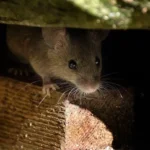
When floodwaters rise, rats are forced from their burrows and often invade human homes in search of food and shelter. These clever rodents can squeeze through gaps as small as a coin, making it easy for them to get indoors. Their resourcefulness allows infestations to develop rapidly after flooding.
Inside, rats pose serious threats by contaminating food and surfaces with droppings and urine that spread bacteria. They also chew through wires, furniture, and packaging, creating costly property damage. Beyond that, they can transmit diseases like leptospirosis and hantavirus, making immediate control a necessity.
The Dangers Pests Bring Following a Flood
Following a flood, damp areas and leftover debris allow pests to flourish, putting residents’ health at risk. The combination of moisture, food sources, and shelter draws a variety of harmful insects and rodents. Health issues from these pests include:
- Leptospirosis: Caused by contact with rat urine, which can contaminate surfaces and water, posing significant health risks.
- Diarrhea & Cholera: Resulting from germs carried by flies or exposure to contaminated floodwater, increasing the likelihood of gastrointestinal illness.
- Mosquito-Borne Diseases: Spread through bites from mosquitoes that multiply in flood-affected areas, potentially causing illnesses like dengue and malaria.
- Respiratory Problems: Triggered by mold growth and pest droppings in damp or poorly ventilated spaces, which can worsen existing breathing conditions.
Tips for Getting Your Home Ready for a Flood
After a flood, the likelihood of pests entering your living spaces rises sharply. Moist, debris-filled areas provide ideal conditions for them to breed and hide. Use these tips to keep your home and basement protected:
- Secure Food: Keep all food in airtight containers to avoid contamination and make your home less attractive to pests. Proper storage also limits opportunities for insects and rodents to feed after flooding.
- Seal Openings: Close or seal all doors, windows, vents, and cracks. A tight barrier prevents pests from entering as floodwaters rise.
- Yard Maintenance: Clear debris, clean gutters, and organize your yard. A well-maintained outdoor space discourages rodents and reduces standing water that breeds mosquitoes.
- Elevate Belongings: Lift furniture, electronics, and other valuables off the floor. Elevating items reduces hiding spots for pests and helps prevent infestations.
- Pest Inspections: Arrange a pre-flood inspection with a pest control professional. Early detection and treatment can stop infestations before they start.
Steps to Make Your Home Flood-Ready
Flooding creates ideal conditions for pests and bacteria, so addressing the aftermath quickly is essential. Taking immediate steps can limit exposure and stop infestations before they start. Use these steps to help safeguard your home:
- Clean Immediately: Remove mud, leftover food, and debris that could attract cockroaches and flies. Disinfect all surfaces exposed to floodwater to reduce bacteria and prevent contamination. Quick action helps stop infestations before they start.
- Rat and Cockroach Control: Seal cracks, holes, and gaps in foundations and basements to block pest entry. Store food securely or remove any exposed items to make your home less appealing. Monitor for activity and address problems promptly.
- Mosquito Control: Eliminate standing water as soon as possible to prevent mosquitoes from breeding. Clear clogged gutters, treat damp areas like basements, and use screens or bed nets to protect living spaces. Check your yard and containers regularly for new water.
- Deal With Flies: Empty trash daily and make sure all bins are tightly closed. Use fly traps if necessary and safely dispose of decaying organic material. Keep kitchen and dining areas clean to avoid attracting flies indoors.
Fight Flood Pests Early with Griffin Pest Solutions
Persistent pest activity, rat droppings scattered in multiple areas, or mosquito swarms after cleaning are clear signs of a developing infestation. These indicators reveal that pests are well established and reproducing rapidly. Leaving the problem untreated can cause serious damage and increase health risks. Immediate professional intervention is crucial to stop the spread.
Griffin Pest Solutions provides expert pest control and prevention services. Our team inspects your property, applies targeted treatments, and monitors results to protect your home and family throughout flood recovery. We handle even the most challenging infestations with care and expertise.
Call Griffin Pest Solutions to book a professional inspection and keep your home pest-free.