
Need Pest Control Service?
"*" indicates required fields
*During normal business hours. After hours calls will be returned the next business day.
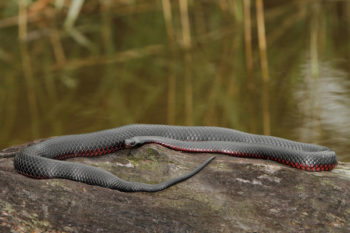
With our long winters, sweltering summers, and unpredictable weather changes, you’d think we wouldn’t have to worry about snakes in Michigan, too. It’s definitely too cold up here, right? Wrong! Turns out there are 18 species of snakes native to Michigan.
They can thrive here just as easily as they can farther south. They just have to get a little creative to keep warm during winter. This means either hibernating in a nest called a “hibernaculum” or sneaking into a cozy house.
Don’t worry, most Michigan snakes are harmless, and we’re going over how to keep snakes away from your home and yard.
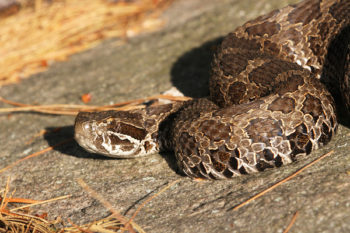
Of the 18 types of Michigan snakes, only one of them (the Eastern Massasauga) is venomous. Lucky for you, these snakes are shy and rarely seen. They’re also listed as a threatened species. If you are bitten by a Michigan rattlesnake, seek medical attention immediately.
Snakes are considerably more common in the Lower Peninsula than the Upper Peninsula. They prefer the south’s wetlands, swamps, and marshes, which are more akin to their ideal habitats. Water snakes in Michigan are especially prevalent near these areas.
Away from this terrain, snakes adapt by finding safe, quiet, secluded areas to dwell: often under a porch or in an overgrown yard. Even though they need sunlight to keep warm and active, too much will dry them out, and they’ll die. That means they need an environment with a lot of shade, vegetation, humidity, and places to cool off.
Wet places like swamps provide this, plus an abundance of prey. So if you live near a prime habitat like a marsh or a brackish lake, you may end up seeing more snakes in your neighborhood.
It’s all about shelter. You’ll probably start seeing snakes in late summer and early fall when they get serious about finding a place to stay over the winter.
After they move in, they’ll make themselves comfortable in the tightest, darkest, warmest, and most hidden area they can find. Snake infestation may be a sign that you’re hosting other pests, too. As predators, they’ll often chase prey into a home.
If you suspect you have snakes, they’re probably under floorboards or basement furniture, in tight corners, or in damaged insulation. But if you’re going to look for them, be careful! Snakes are afraid of humans and may lash out if cornered.
Unfortunately, yes. The environment where snakes build their hibernaculum needs to be dark, warm, enclosed, hidden, and underground. Chances are that your home’s crawl space, basement, foundation, or walls check off all these boxes.
Most Michigan snakes begin seeking hibernation spots in September and October, before the first hard frost.
Snakes have more limited home-infiltration options than most pests. They can’t fly, and they’re not particularly adept climbers. Unlike rodents or other burrowing pests, they can’t chew or dig their way in, either.
If snakes got into your home, they got in from the ground. Most likely, they found a small crack in the foundation or the baseboard.
Snakes can twist and contort themselves into small spaces. Even a tiny gap between a low window and its frame can be an access avenue. Cracking molding, baseboard, or even improperly seated doors may be vulnerable if snakes can slip underneath them.
Unfortunately, it’s also possible that the snakes in your home were simply born there. If adults can reproduce in and around your home, they will.
Get Started Today With Griffin!
The best way to keep any kind of snake out of your home is to deprive them of the things they want: food, shelter, warmth, and shade.
To get rid of snakes in your yard, look for sources of cover and food. If snakes can lounge around in the shade on your lawn undisturbed, they’re more likely to stick around. Spoiled birds and rodents might be easy snake prey. Limit the amount of food you’re leaving out to attract them.
Once you’ve completed your lawn maintenance, walk the perimeter of your home. Look for gaps and cracks in the foundation where a skinny squatter might slither in.
Outside, make sure your home is secure. Inside, get organized: dust, vacuum, and remove clutter.
Snakes thrive in cluttered environments with plenty of hiding places. Take those hiding places away. Also take away any potential food sources snakes might find in your home.
Following these steps will help snake-proof your home long-term, but they may not do much about the snakes that are already around. We do not recommend trying to take any freeloading snakes out on your own.
Griffin Pest Solutions has experienced pest control experts and the know-how to handle any and all of Michigan’s native snakes, including rat snakes, water snakes, and garter snakes.
If you have a snake problem (or any other pest problem, for that matter), let us know. We’ve got your back (and your ankles). Reach out to us today by calling 269-353-0934 or filling out a contact form here.


