Where Do Termites Go in the Winter?
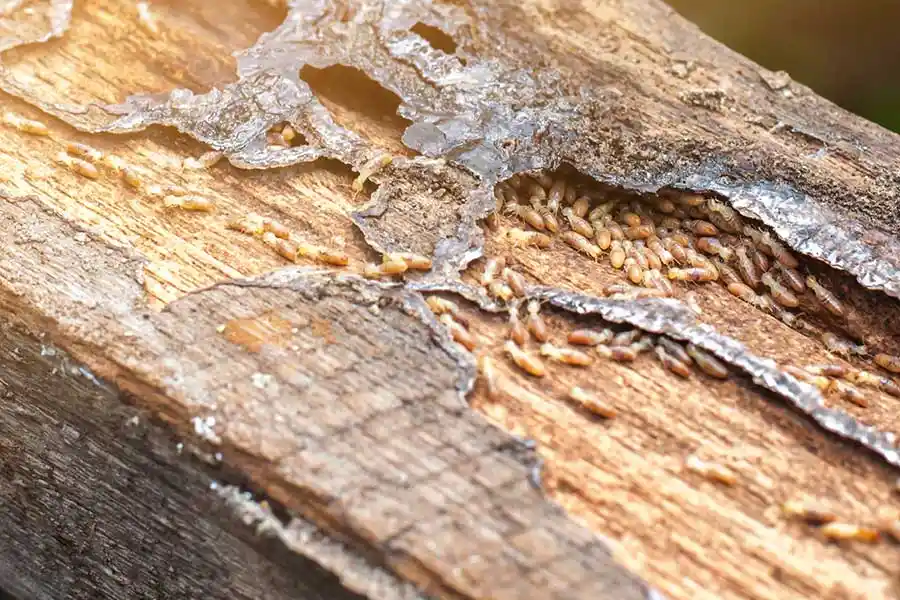
You might expect termites to go dormant or die out in the winter. If only. Sadly, the truth is termites will remain active all winter long if they can.


Termite damage can start small, often with just one termite or minor damage. Early detection is crucial to prevent extensive destruction. This section will walk you through the first signs of a termite infestation.
You might expect termites to go dormant or die out in the winter. If only. Sadly, the truth is termites will remain active all winter long if they can.
Flying termites are scientifically known as alates, but are often called termite swarmers. These winged insects typically emerge in large numbers during Michigan’s spring or early summer, embarking on a mission to find mates and establish new colonies.
As termite colonies expand, their infestations worsen, especially during the swarming seasons in spring and summer.
What sets termites apart from other pests is their division into castes. Like human societies, each termite has a specific role in the colony, which includes eggs, larvae, nymphs, workers, soldiers, drones, and queens.
Termites may burrow deep into the wood of your home, but there are still ways to detect their presence. Like all pests, they leave behind telltale signs.
In Michigan’s Lower Peninsula, the warmer months will see an influx of termite activity. We’ve outlined the most common types of termites, so now let’s break down the key differences between them:
Termites and carpenter ants share some similarities, such as their winged reproductive phase and attraction to wood.
At Griffin Pest Solutions, we’re always ready to help you with your pest control needs. Contact us for a free, no obligation quote.
Call Today 269-353-0934


