

Ants flying around inside your home may be the reproductive drones of a carpenter ant colony. Look for small, round excavation holes in wooden structures in your basement, crawl space, deck, or porch. Carpenter ants create these holes to discharge the sawdust-like wood shavings they produce while tunneling.
It can be frustratingly difficult to find conclusive signs that you have a carpenter ant problem. The ants tend to tunnel through deep or inaccessible sections of wood. Their tunnels tend to be impossible to spot until they start causing serious problems. By learning more about what ants are all about, however, you can be better at spotting them. This is what you should know about carpenter ants, including how to tell if you have them.
What are carpenter ants?
Carpenter ants (Camponotus spp.) are some of the largest and most common ants in Michigan. They’re also one of the most common home-invading pests in Michigan. Like other ants, carpenters live in large eusocial colonies where different castes perform different roles. Unlike most ants, colonies live inside wooden structures by hollowing them out from the inside. In the wild, they usually nest in decomposing trees, logs, or stumps. They can also tunnel through homes!
Carpenter ant workers look like sugar ants, but they’re larger and have evenly-rounded thoraxes. Most workers are ¼ to ½” long. Carpenter ant drones are even larger, and they have flight-capable wings. Drones are often confused for termites, but you can tell them apart by looking at their antennae. Carpenter ants have distinctive “elbowed” (curving or “L-shaped”) antennae, whereas termites have straight, beaded antennae. You’ll probably see the ants crawling on or near wooden structures.
Why are carpenter ants a problem?
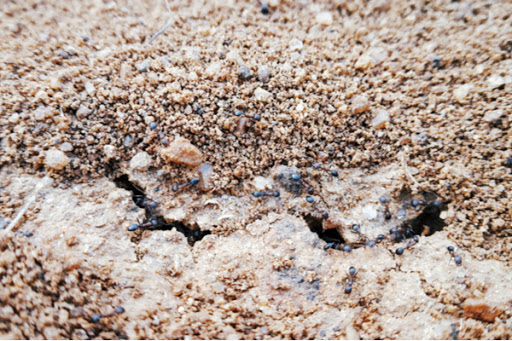
Contrary to popular belief, carpenter ants don’t actually eat wood. Carpenter ants tunnel through wooden structures to build large, complex “galleries” for their colony to live inside. As the colony grows, the ants continue to work their way deeper through the infested wood. In the meantime, the ants will continue to hollow out larger and larger segments of wood. Ant workers reduce the wood they tunnel through to a sawdust-like substance and transport it out of the colony.
Obviously, hollowing out the inside of a wooden structure compromises its structural integrity. Over time, carpenter ants could seriously damage the wood they infest–and any structures that wood supports! If the ants hollow out enough wood, they could trigger the collapse of load-bearing structures such as support beams. Ant tunnels also tend to make wood more vulnerable to moisture accumulation and mold growth, which could lead to further problems.
Get Started Today With Griffin!
Do I have carpenter ants?
The most obvious sign of a carpenter ant infestation is the presence of winged ants inside your home. If there are flying ants inside your home and it’s not mating season, then you probably have an infestation. Workers themselves may venture indoors during summer, but seeing them during winter is a bad sign. Look for workers around any exposed wooden structures, especially in naturally damp or humid parts of the home.
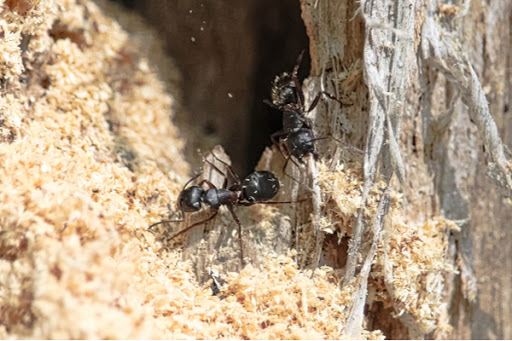
You should also look for small, circular openings on the surface of the wood. These holes are where worker ants expel the sawdust-like shavings they create when tunneling through the wood. If you find shavings or dust accumulating under these openings, your infestation is quite active. Remember: carpenter ants attack moist, humid, or damaged wood. If you’re worried you have an infestation, check wood that fits this description first.
What can I do about carpenter ants?
Tunneling through wood dries out carpenter ants very quickly. Workers require a constant source of moisture to re-hydrate if they’re going to remain active. For this reason, the ants almost exclusively target wet or moist wood. If they can re-hydrate while they tunnel, they’ll never have to stop working on their colony. By making sure wood around your home is dry, treated, and protected, you’ll keep ants from preying on it.
First, look for and fix possible plumbing leaks inside and outside. Make sure your outdoor gutters, downspouts, and drains are direct water away from your home effectively. Find places where wood contacts the ground and cover that wood with plastic sheets or barriers. Trim down branches, shrubs, or other “bridges” carpenter ants could use to access your home. Inside, dehumidify your basement, crawl spaces, and other lower levels as well as possible. Replace any damaged or soiled wood ASAP.
The faster you find a carpenter ant infestation, the more potential damage you can prevent. Watch for these signs of infestation, but look out for the vulnerabilities that may lead to infestations, as well. Protect wooden structures in your home, keep them dry, and watch for cracks and gaps ants could exploit.
If you’re worried you have carpenter ants in your home, don’t hesitate to give Griffin Pest Solutions a call. Our experts locate your ants, remove them, identify how they got in, and ensure they won’t get in again. If you see the telltale signs of carpenter ants, just call right away. We’ll make sure your home stays whole.

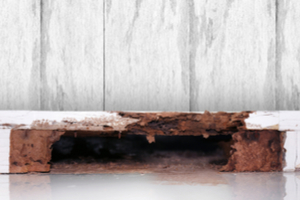 There’s one, very clear reason why you never want termites: they’re the most destructive wood pest in the US. Termite colonies eat and bore through wood, creating cavities that compromise wood’s structural integrity. Every year, termites cause
 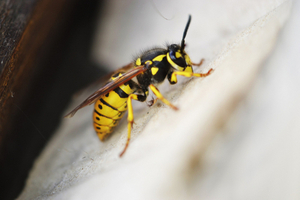 No common neighborhood pest inspires terror quite like the wasp. It’s not difficult to understand why. Virtually everyone has a wasp sting horror story. The insects are notoriously territorial, aggressive, and unafraid to sting. Wasps are at their most frustrating and dangerous when they build nests near homes. When a wasp nest is right outside your door, it’s all-too-easy to seem threatening to its defenders. Wasps are especially
 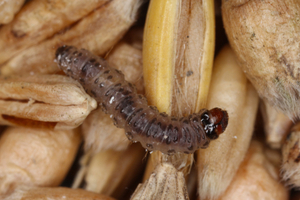 There are several kinds of pest that love to infest pantries. The worst thing about these pests is that, contrary to popular belief, they’re not just eating your food. They’re often
 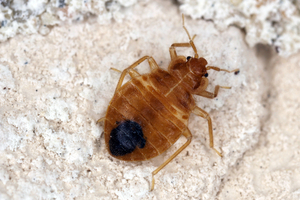 Sure, bed bugs aren’t as damaging or dangerous as any of the other pests on this list. But what if you had to choose one of these four infestations? We’re betting you’d choose any of the aforementioned pests before you subjected yourself to bed bugs. We don’t blame you! Bed bugs are probably the most upsetting common pest infestation in the US. And they are common, too–