

Key Takeaways
- Most bees and wasps sting defensively, especially when they feel threatened or their nest is disturbed.
- Give bees and wasps plenty of space and avoid swatting, sudden movements, or disturbing nests and colonies.
- Keeping food and drinks covered outdoors and cleaning up spills can help reduce bee and wasp activity around your home.
- Repeated insect activity, consistent entry and exit points, or buzzing inside your home may indicate a nearby nest or colony.
- Avoid disturbing or sealing active nests yourself and contact a professional when bees or wasps are nesting in or around your home.
Finding bees or wasps around your Michigan home can make you wonder whether there’s a nest nearby and if you’re at risk of getting stung. Seeing a few insects around flowers, plants, or outdoor food doesn’t necessarily mean you have a problem. However, repeated activity around your home, yard, or a specific area of your property may indicate that bees or wasps are nesting nearby.
Knowing what attracts these insects, understanding their behavior, and recognizing the signs of a nearby nest can help you determine whether you’re seeing normal activity or dealing with a potential stinging insect problem. Griffin Pest Solutions can help homeowners identify the source of bee and wasp activity and determine when professional control may be needed.
Why Do Bees and Wasps Sting?
Most bees and wasps aren’t looking for opportunities to sting people. Stinging is generally a defensive behavior, particularly when an insect feels threatened or its nest is disturbed.
Your risk of being stung increases when you approach a nest, make sudden movements near the insects, or accidentally disturb a colony or nest. If you notice bees or wasps around your property, the best approach is to give them plenty of space and avoid actions that could provoke them.
What Should You Do If You See Bees or Wasps?
If you encounter a bee or wasp near your home, remain calm and avoid swatting at it or making quick movements. Move away slowly and allow the insect to leave the area. Giving bees and wasps space is especially important when you suspect there may be a nest nearby.
Pay attention to patterns in their activity as well. Bees or wasps repeatedly entering and exiting a small opening, gathering around a particular section of your home, or flying back and forth to the same area of your yard may be signs of a nearby nest or colony. Rather than approaching the location to investigate, keep your distance and contact a professional who can evaluate the activity.
How Can You Avoid Bee and Wasp Stings?
If you suspect bees or wasps may be nesting somewhere on your property, there are several simple things you can do to reduce the chance of being stung.
Keep the following precautions in mind:
What If Bees or Wasps Are Entering Your Home?
If you find bees or wasps entering your home through a small opening, resist the urge to seal it immediately. The opening could be an established entrance to a nest located inside a wall, attic, roofline, or another concealed area of your home.
Sealing the opening before the insects have been properly addressed can make the situation more complicated. If their normal way out is blocked, bees or wasps inside the structure may begin searching for another exit.
That could potentially lead them into areas of the home where people spend time. Keep children and pets away from the area, avoid disturbing the insects, and contact a professional for help. A trained technician can determine what type of insect is involved, assess where the nest may be located, and recommend the best way to address the problem.
Need Bee or Wasp Control?
What Are Signs of a Bee or Wasp Nest?
Not every bee or wasp sighting means that a nest is nearby. However, certain patterns of activity may indicate that insects have established a colony on or near your property. Watch for:
- Repeated Activity: Repeated bee or wasp activity around the same part of your home may indicate that a nest or colony is nearby.
- Consistent Entry and Exit: Bees or wasps regularly entering and exiting a small opening can be a sign that they are accessing a nest inside the structure.
- Activity Around the Structure: Increased insect activity around rooflines, eaves, soffits, siding, or wall voids may point to a nearby nesting site.
- Visible Nest: Discovering a nest in a tree, shrub, structure, or another location on your property is a clear indication of nesting activity.
- Large Concentrations: Large numbers of bees or wasps gathering in one area may suggest that a nest or colony is close by.
- Buzzing Inside the Structure: Hearing buzzing sounds coming from inside a wall or another enclosed space could indicate that insects are nesting within the structure.
If you notice several of these signs, avoid disturbing the area. A professional inspection can help determine whether an active nest or colony is present.
Where Might Bees and Wasps Nest?
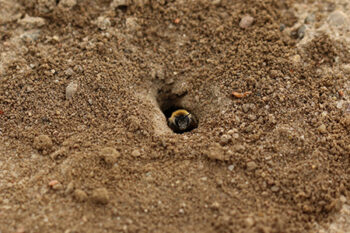
Bees and wasps can establish nests in a variety of locations depending on the species. Around homes, potential nesting areas can include wall voids, attics, rooflines, eaves, soffits, chimneys, trees, shrubs, sheds, and other protected areas.
Some species may also take advantage of small openings in a home’s exterior to gain access to concealed spaces. This can make a nest difficult to locate from the outside. Because different species behave differently and may require different control approaches, identifying the insect involved is an important first step when investigating a potential problem.
What Should You Do If You Find a Bee Nest?
If you find a bee nest or colony on your property, don’t attempt to disturb, spray, or remove it yourself. This can provoke defensive behavior and increase your risk of being stung.
Instead, keep your distance and contact an expert. Professional Bee control often requires more than treating the insects you can see. A professional technician can assess the location, determine what species is involved, and develop an appropriate plan for addressing the colony.
This is particularly important when insects are nesting inside a wall, attic, roofline, or another part of the structure.
FAQs About Bee Stings and Stinging Insects
A bee sting can be painful and unexpected, particularly when bees are nesting or foraging close to your home. The following information can help you better understand bee stings and determine what steps may be appropriate for your property.
Have additional questions? Call Griffin Pest Solutions today to speak with our team about bee stings, bees, or other pests.
Expert Bee and Wasp Control From Griffin Pest Solutions
Not every bee or wasp you see around your Michigan property means there is a nest nearby. However, when activity becomes frequent, or you notice insects entering and exiting a particular area of your home, it’s worth having the situation evaluated. Our trained technicians can investigate areas where stinging insects are active, look for potential nesting sites, and recommend control options based on the circumstances.
Griffin Pest Solutions can help Michigan homeowners determine whether they’re dealing with a nesting colony and what should be done next. Whether the insects are nesting inside your Michigan home or establishing a nest elsewhere on your property, professional control can help reduce the likelihood of future activity.
Contact Griffin Pest Solutions today to learn more about professional bee and stinging insect control.


